lifestyle
Caracas Parents Navigate Economic Crisis, Custody Laws With Community Resilience
A look at how Caracas parents navigate the economic crisis, child custody laws, and the quiet resilience of local communities.
How we reported this
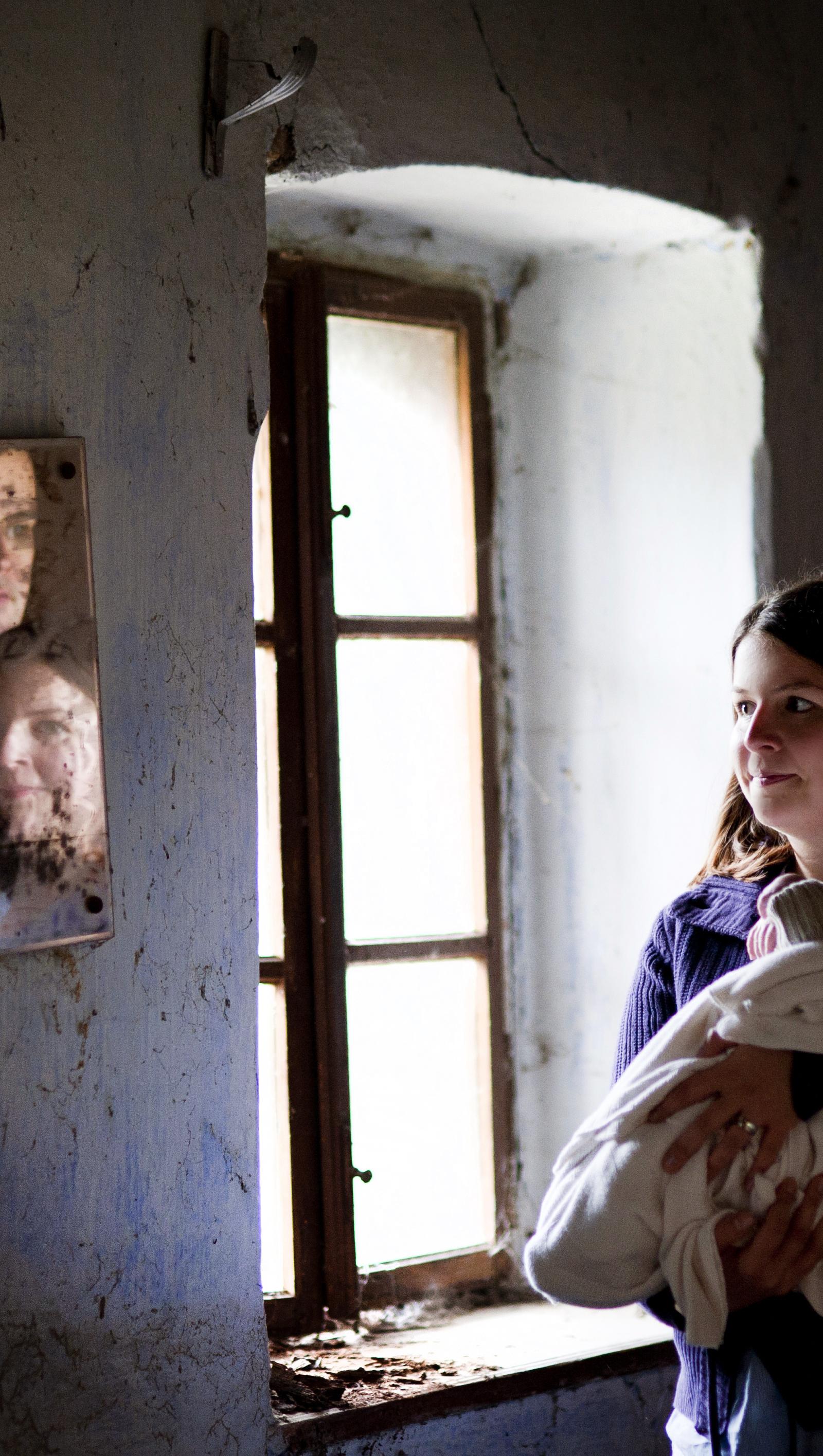
Parenting in Caracas today is a relentless test. Average monthly incomes have fallen below $50, according to reports, forcing many parents to make impossibly difficult decisions. Some have handed children over to orphanages or relatives, while others have relinquished them to charities simply because they cannot afford to feed them. The economic crisis has reshaped family life across the city, creating a landscape where survival often comes before stability.
Neighbourhood Character Under Pressure
In working-class barrios and more established neighbourhoods alike, the strain is visible. Parents in Caracas report that their children do not get enough food, a grim reality that has become part of everyday life. Venezuela ranks 129th out of 175 countries on the Save the Children index of dangers for childhood, making it one of the hardest places in the world to raise a child. Yet amid the scarcity, there is a stubborn sense of community. Grandmothers raise grandchildren. Siblings step in as caretakers. Neighbours share what little they have.
Child Custody and the Courts
Child custody laws in Caracas are guided by the principle of the child's best interests, giving both parents equal legal rights. In practice, courts weigh which parent can provide adequate care, a factor that has become excruciatingly difficult to assess given the scarcity of basic necessities like food and medicine. Legal professionals note that the system prioritises stability, but the economic crisis has blurred the line between a parent's willingness and their ability to care.
A Generation Left Behind
The crisis has also driven many parents to emigrate to countries such as Peru and the Dominican Republic in search of work. As a result, approximately one million Venezuelan children have been left behind in Caracas and other cities, sometimes with grandparents, older siblings, or entirely alone. This pattern of migration has hollowed out family structures and placed an extraordinary burden on those who stay. Recent devastating earthquakes in northern Venezuela, with tremors originating 160 miles west of Caracas, have destroyed homes and created fresh humanitarian challenges for families already stretched to the breaking point.
Looking Ahead
For Caracas parents, the path forward remains uncertain. The community response, informal networks of care, shared resources, and the resilience of extended families, offers a measure of support in a system that offers little else. The courts continue to apply the law as best they can, but the underlying conditions of poverty and scarcity are not resolved by legal rulings alone. What happens next depends on whether the broader economic and humanitarian situation improves, and whether the families holding Caracas together can continue to do so.