news
Caracas Removes Thousands of Corrupted Phantom Billboard Images After Years
Years of neglect, political turnover, and budget shortfalls left thousands of official billboards and municipal displays riddled with duplicate, corrupted, and ghost imagery, now the city is finally being forced to confront the mess.
How we reported this
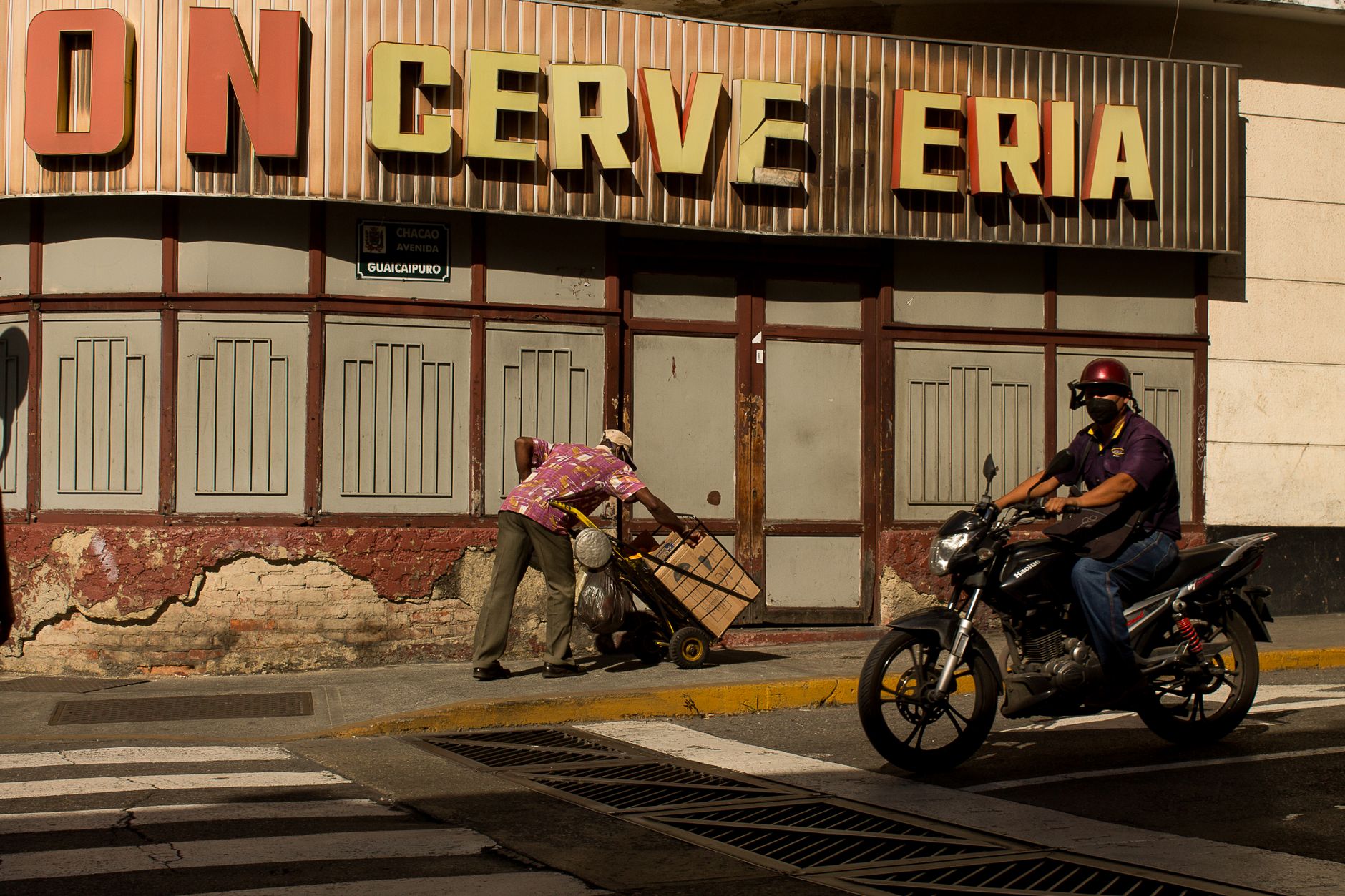
Walk down Avenida Libertador on any given morning and you will see them: sun-bleached municipal panels displaying the same promotional photograph twice, side by side, each a slightly degraded copy of the other. The image might be a community health drive from 2022, or a Caracas Metro campaign that ended before last year's rainy season. Whatever the original intent, the content is wrong, doubled, and no one has come to fix it.
This is the visual inheritance of what urban planners and municipal IT contractors have taken to calling the duplicate image problem, a collapse of coordination between the Alcaldía Metropolitana de Caracas, district-level administrations, and the patchwork of vendors contracted to manage digital and static displays across the capital. The issue did not arrive overnight. It accumulated across roughly a decade of improvised procurement, staff turnover following successive political cycles, and a near-total absence of centralised asset management for the city's public-facing communications infrastructure.
How the Backlog Built Up
The roots go back to at least 2014, when the Caracas municipal government began expanding its network of LED display panels across high-traffic corridors including Plaza Venezuela, El Rosal, and the Sabana Grande pedestrian boulevard. Each installation was handled under separate contracts, often with different vendors supplying incompatible content management software. When a campaign ended, the replacement process depended on whichever contractor still had an active service agreement, and many did not.
By 2019, the Superintendencia Municipal de Publicidad Exterior had identified more than 340 panels across the five municipalities of the Distrito Capital that were running outdated or duplicated content, according to an internal administrative review cited in proceedings of the Cabildo Metropolitano that year. The review noted that no single office held a master inventory of which panels were active, which were defunct, and which were technically live but feeding from corrupted image libraries that simply looped whatever files had last been uploaded.
The economic collapse of that period made systematic repairs essentially impossible. Replacement hardware carried dollar-denominated price tags at a time when public procurement budgets were being calculated in rapidly devaluing bolívares. A single LED module suitable for outdoor municipal signage was quoted at roughly $180 USD per unit by regional suppliers in 2020, a figure that placed large-scale replacement beyond reach for most alcaldías without external funding.
The problem compounded itself technically. When junior staff attempted to update panel content without proper training, they frequently uploaded image files at incorrect resolutions or duplicated assets rather than replacing them, because the content management interfaces gave no clear error warning. The duplicate images people see today are often not accidents of equipment failure but the direct output of rushed, under-resourced human decisions made at the district level.
What a Fix Requires, and Who Is on the Hook
Since early 2026, the Alcaldía de Libertador, the largest of Caracas's municipalities by population, covering areas from Catia to El Valle, has been running a pilot audit of its 87 registered exterior display points. The exercise, begun in February, aims to create what administrators describe as a unified content registry: a single database linking each physical panel to its maintenance history, its current software version, and the office responsible for updating it.
The audit is ongoing. Residents in Catia's Avenida Sucre corridor and around the Los Jardines del Valle community centre have seen technicians photographing panels and affixing QR-coded asset tags over the past four months. Whether that inventory work translates into actual content replacement depends on procurement approvals that remain unresolved as of this week.
For now, the practical reality for anyone navigating city communications is straightforward: do not rely on fixed exterior panels for current event or service information. The Caracas Metro system maintains a more regularly updated feed through its in-station screens, and the Instituto Municipal de Deportes posts current programming on its verified social media channels. Municipal health clinic schedules in parishes including Antimano and La Vega are best confirmed directly by phone, not by whatever campaign image happens to be repeating itself on the nearest street panel.