news
Caracas City Hall Discovers Thousands of Corrupted Images in Municipal Database
A citywide audit of duplicate and corrupted imagery in municipal digital records has exposed gaps in urban documentation, and officials now face a ticking clock on fixes.
How we reported this
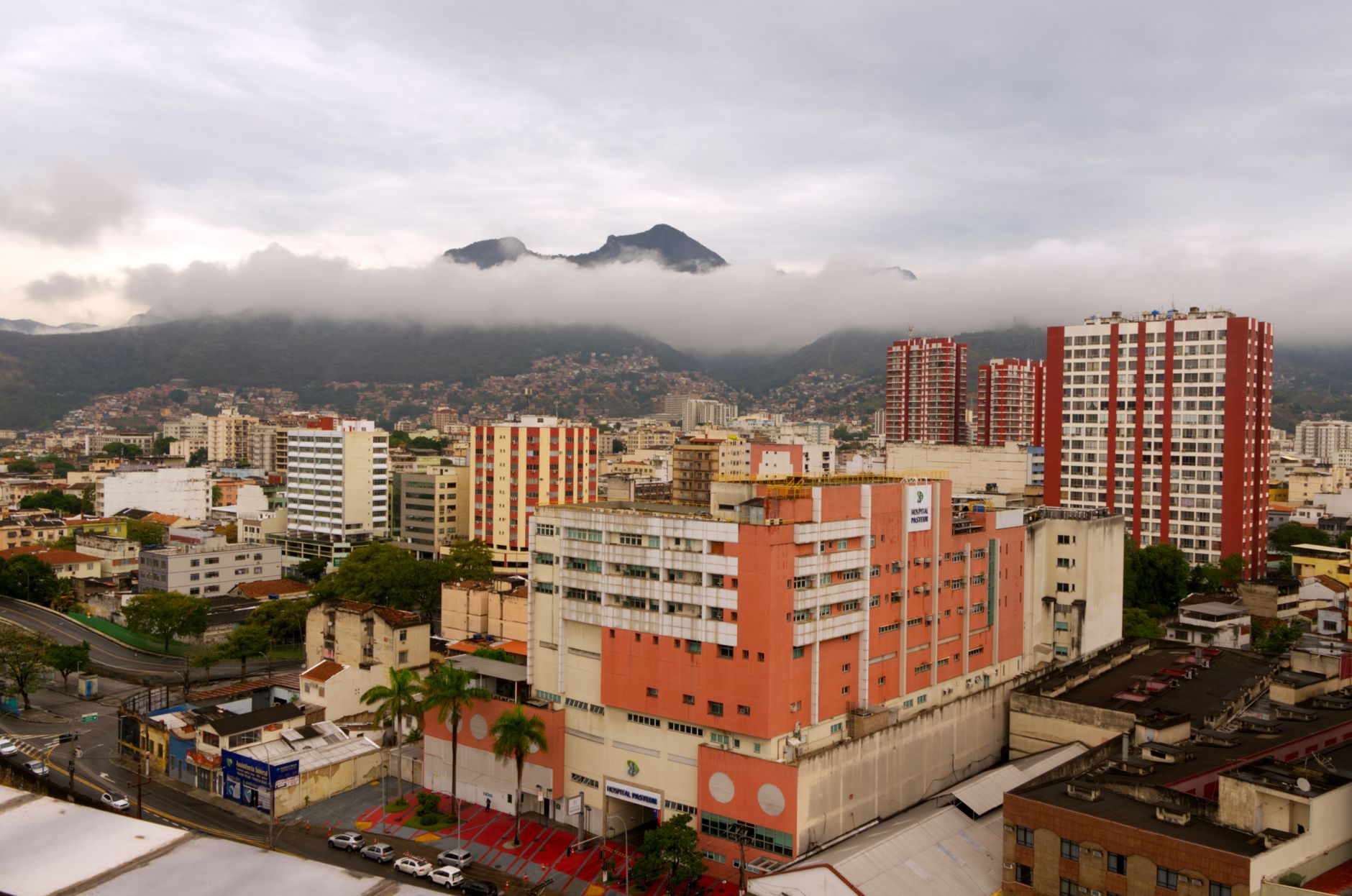
Caracas city administrators confirmed this week that an internal audit of the Alcaldía Metropolitana's digital asset management system uncovered thousands of duplicate and misclassified images embedded in official urban planning records, property registers, and public communications archives. The immediate question is not how the problem happened, but what the municipality does in the next 90 days to correct it before the errors compound further.
The stakes are practical, not bureaucratic. Digital images tied to property records, zoning permits, and infrastructure assessments feed directly into decisions about construction approvals across parishes from El Hatillo to Libertador. When duplicate or incorrect images attach to the wrong parcel or project file, surveyors and permit officers work from corrupted baselines. In a city where informal construction disputes are already a chronic pressure point in neighborhoods like Petare and Caricuao, documentation errors can delay or distort formal resolution for months.
What the Audit Found, and Who Has to Act
The audit, conducted internally by the Dirección de Catastro Urbano, flagged an estimated 14,000 image files across departmental servers that were either exact duplicates, near-duplicates linked to different cadastral codes, or images with broken metadata stripping them of location and date context. The review covered records dating to at least 2019, when the municipality migrated to a centralized digital archive following years of fragmented departmental storage.
Three separate units now share responsibility for the cleanup: Catastro Urbano, which manages property mapping; the Oficina Municipal de Planeamiento Urbano, known as OMPU, which handles zoning overlays; and the Dirección de Tecnología e Innovación, which controls server infrastructure. The overlap in jurisdiction is itself part of the problem. No single office has clear authority to delete, merge, or re-tag files without sign-off from at least one other unit, a procedural structure that critics inside the administration say has already slowed the response.
The Colegio de Ingenieros de Venezuela, which represents licensed surveyors and civil engineers who interact with municipal records daily, has flagged concerns about the timeline. Members working on projects along the Calle Real de Chacao corridor and in the Las Mercedes commercial zone have encountered mismatched image attachments when pulling permits this year, according to the professional body's published bulletin from June 2026.
The Decisions Ahead and the Deadlines That Matter
City planners face at least three binary choices in the coming weeks. First, whether to pursue an automated deduplication process, faster, cheaper, but carrying a risk of erasing images that only appear identical, or a manual review protocol that protects data integrity but could take well past the fourth quarter of 2026 to complete. Second, whether to freeze new image uploads to the central archive during the cleanup, which would slow permit processing across all 22 parishes, or allow uploads to continue and risk adding fresh duplicates to an already contaminated pool. Third, whether to make the audit findings public in full, which would allow independent engineers and community organizations in places like La Vega and El Valle to cross-check records affecting their neighborhoods.
The financial dimension is not trivial. A comparable municipal digital records remediation carried out in Bogotá in 2023 cost the Colombian capital's urban planning office roughly 1.2 billion pesos, equivalent at the time to around $290,000 USD, and took eight months. Caracas, operating under significantly tighter fiscal constraints given Venezuela's ongoing economic pressures, would likely need international technical assistance or private sector partnership to match that pace.
The practical advice for anyone with an active permit, zoning dispute, or property registration at any of the Alcaldía's service points is to request a printed or independently verified copy of any image attachment tied to their file before July 31, 2026, the informal deadline the Dirección de Catastro Urbano has set for completing the first phase of the audit. Residents in Parroquia El Recreo and Parroquia Altagracia, where development pressure has increased ahead of several announced infrastructure projects, are particularly exposed. The window to catch an error before it becomes a legal complication is narrow, and it is closing.