news
Caracas Officials and Experts Debate Solutions to Neighborhood Safety Crisis
Local leaders and experts weigh in on the current state and future of safety in the city’s neighbourhoods.
How we reported this
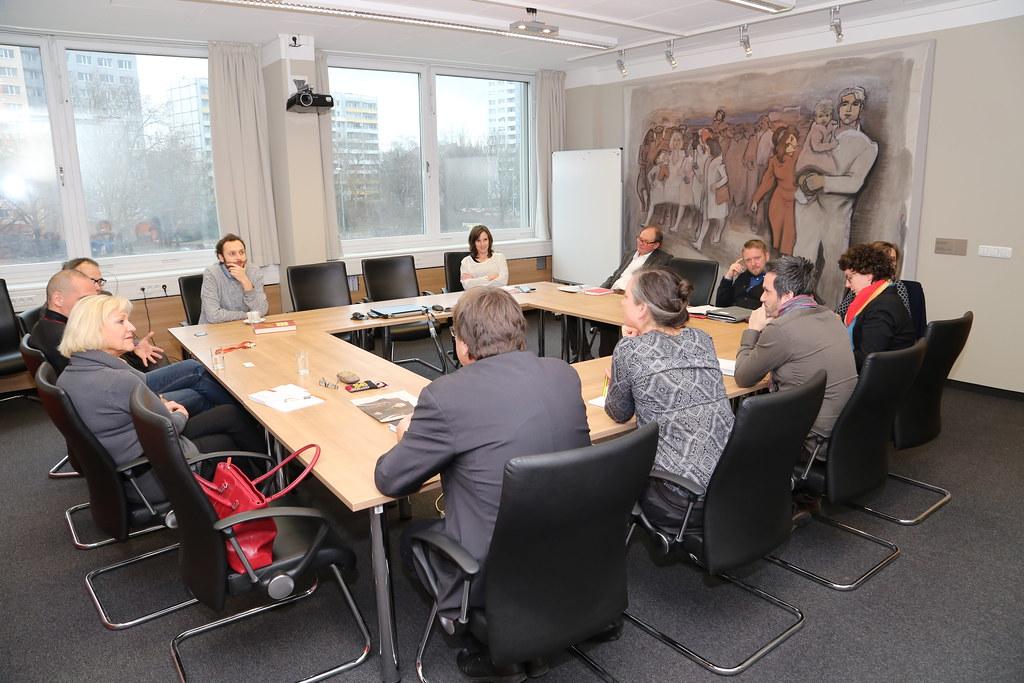
Caracas continues to navigate safety challenges amid ongoing social and urban pressures, with officials and security experts emphasizing community engagement and targeted strategies. While recent events have put renewed focus on public safety, city leaders insist on a collaborative approach involving residents, local agencies, and expert input.
Why Safety Conversations Matter Now
Recent incidents across Latin American cities, including fire tragedies and security threats, highlight the urgency of addressing community safety. For Caracas, this moment comes as urban development and social inequalities intersect, impacting residents’ daily lives in neighbourhoods throughout the city. Discussions among stakeholders stress that sustainable improvements depend on understanding local realities and incorporating expert advice.
Voices from Caracas: Insights from Key Figures
City officials note that improving safety involves both enhancing emergency response systems and promoting preventive measures. Community leaders point to the importance of neighbourhood watch programs and increasing trust between citizens and law enforcement. Although no new statistics have been officially released specifically for Caracas recently, experts underline that comprehensive data collection remains vital for tailoring interventions effectively.
Programs focused on youth engagement and public space revitalization are frequently cited by experts as foundational steps for reducing violence and fostering safer environments. While Caracas faces unique challenges, these approaches align with broader regional efforts to empower communities.
Residents living in areas such as Petare and Catia have expressed concerns over infrastructural deficiencies contributing to hazards, reinforcing the call for integrated urban planning and safety protocols. Meanwhile, organisations dedicated to urban rescue and healthcare readiness advocate for consistent training and resource allocation.
Although public safety remains a complex issue, what emerges strongly from the conversations is the need for cooperation across all levels-from municipal authorities to local residents and civil society actors. Clear communication channels and participatory mechanisms are highlighted as ways to build resilience against emergencies and social risks.
Looking ahead, officials encourage continued dialogue and active community involvement as essential for progress. While implementation of new initiatives depends on resource availability and political will, the shared commitment to prioritize safety suggests ongoing efforts to adapt and respond to Caracas’s evolving needs.