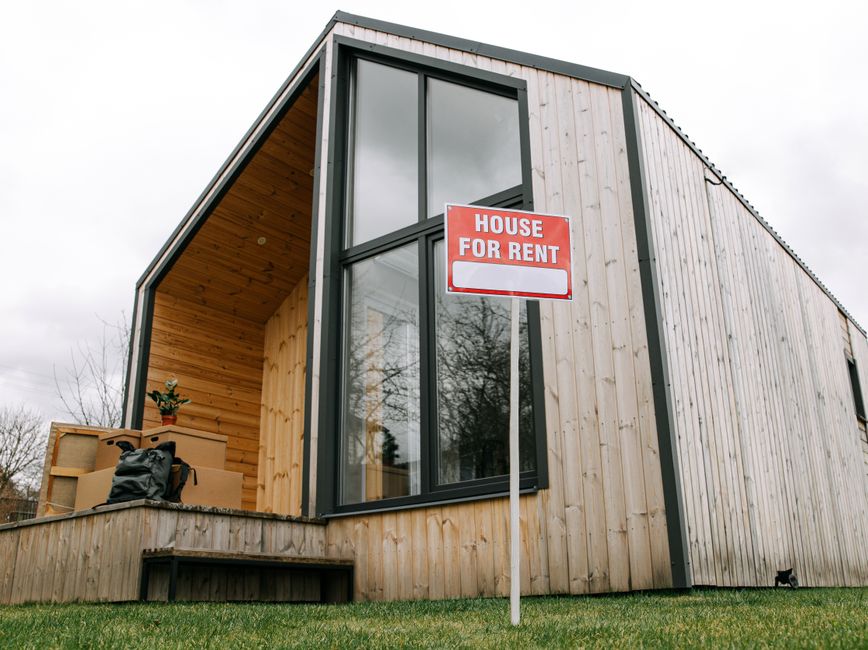
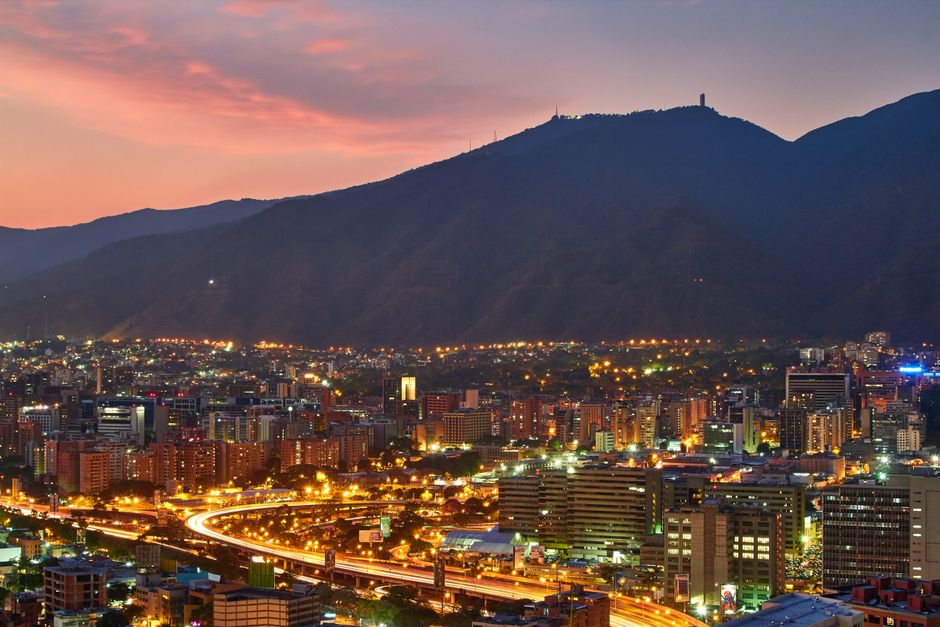
With property prices in key Caracas neighbourhoods climbing to record highs, younger professionals are increasingly turning to a 'rent-vesting' strategy: renting where they want to live, but buying investment property where they can afford. A recent uptick in this approach has reshaped the decision-making calculus for thousands in the Venezuelan capital.
Why now? Affordability. The sharp rise in real estate costs across central Caracas—combined with stagnant local wages—has made traditional homeownership elusive for many. More tenants are eyeing alternative paths to get a foothold in the property market. Meanwhile, last week’s release of new housing affordability data by Fundación Vivienda Venezuela has thrown the issue into sharper focus citywide.
Chacao Rentals, Petare Buys
For many, historic districts like La Castellana, Altamira, and El Rosal remain dream residential addresses. Monthly rents for a one-bedroom apartment in Altamira now average $560 (according to June figures from TuEspacioListo.com), making homeownership even further out of reach for those earning the capital’s median monthly salary of just $310. As a result, aspiring owners are looking eastwards—quite literally. A modest two-bedroom apartment in Petare or La Urbina, both on the city's outskirts, can still be purchased for as little as $27,000, according to ReMax Caracas.
Rent-vesting Caracans commonly rent modern, centrally located flats in Chacao or El Hatillo for convenience and lifestyle. Meanwhile, they channel savings and family support into buying apartments in developing zones like Guarenas or Santa Teresa. Diego Ríos, a property manager at Inmobilisario Caracas, says nearly one in six of their new buyers last quarter had a rental address in a premium district but bought property further afield, either as a straight investment or to house relatives.
Balancing Math and Lifestyle
This approach hinges on the growing mismatch between rent and mortgage outgoings in prime zones. Data from Banco Nacional de Vivienda shows that monthly mortgage repayments for a $120,000 apartment in the city centre surpass $700/month—even after a 30% deposit. By contrast, a 20-year mortgage on a $28,000 suburb apartment, with only $7,000 down, can come in under $170/month—far below average rents. With new metro lines reaching up to Palo Verde and light rail tested in Guarenas, investors are betting future demand will follow.
Risks remain, especially around inflation, fluctuating property taxes, and Caracas’s unpredictable economic backdrop. But the numbers are swaying a growing group: ReMax Caracas recorded nearly 580 investment purchases east of Avenida Francisco de Miranda in the first half of 2026, a 26% jump over last year. Meanwhile, rental supply in high-demand neighbourhoods remains tight, with asking rents up 11% year-on-year in El Rosal and Las Mercedes.
For renters hoping to use property as a wealth-building tool, experts suggest running the numbers. Consider your household income, willingness to commute, and tolerance for market risk. Engage a local agent familiar with both rental and sales markets; check potential yields in emerging zones like El Marqués, and beware upfront and ongoing ownership costs. With rising prices and city boundaries blurring, rent-vesting may not be a silver bullet—yet in today’s Caracas, it’s quickly moving from fringe tactic to mainstream strategy.