Property
Build-to-Rent Boom Reshapes Caracas Housing: What Tenants Get for Their Money
Purpose-built rental developments are redrawing the lines on affordability and amenities in the capital's hottest neighbourhoods.
3 min read
Property
Purpose-built rental developments are redrawing the lines on affordability and amenities in the capital's hottest neighbourhoods.
3 min read
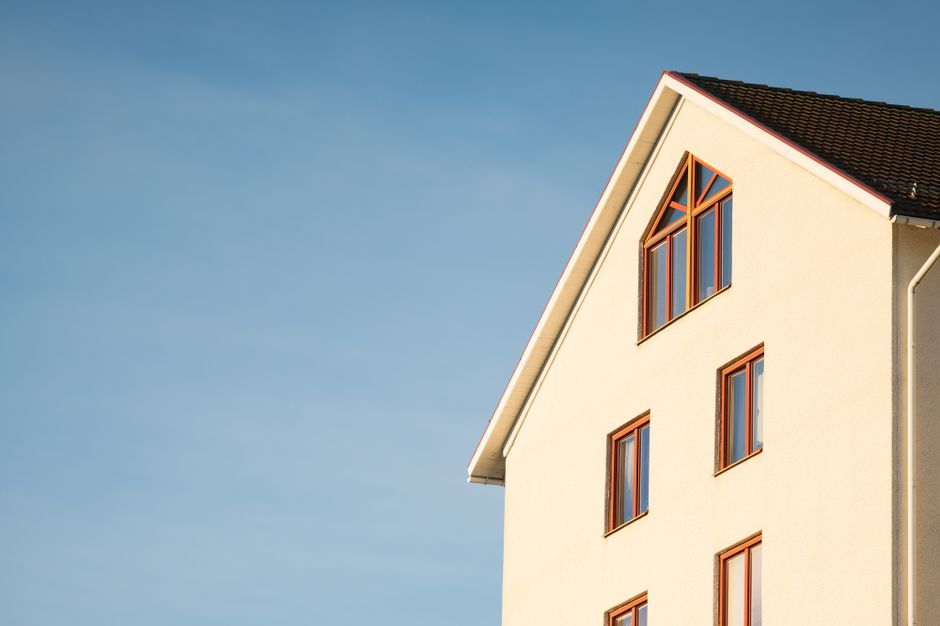
Santa Eduvigis’s newest high-rise, Altura 22, began welcoming tenants this week, signaling a dramatic expansion of purpose-built rental housing in metropolitan Caracas. Managed by Grupo Urbania, the 16-story complex is part of a build-to-rent (BTR) pipeline that’s changed the calculus for thousands of middle-income renters who once found themselves squeezed by a volatile sales market.
Years of inflation and surging demand have whittled down buyer affordability, especially for first-time purchasers in areas like Los Palos Grandes and Chacao. The BTR trend is emerging as key, particularly as more Caracans find saving for a down payment out of reach or prefer the flexibility of renting with predictable costs and modern amenities. Summer’s rolling blackouts and record heat add further urgency, making professionally managed buildings with generator backup and reliable water systems far more attractive than older options.
Developments such as UrbanHUB Sabana Grande and Altura 22 offer a package that would have been almost unthinkable in the Caracas rental market a decade ago. Tenants in these complexes pay between $400 and $850 monthly, depending on unit size and amenities. For that price, residents get access to rooftop pools, coworking lounges with high-speed internet—crucial as hybrid work endures—and 24-hour security. UrbanHUB’s ground floor retail includes a La Praline café and convenience grocery, a departure from the largely DIY experience of traditional apartment rentals in the capital’s aging building stock.
Mariana Romero, leasing manager at Grupo Urbania, reports that Altura 22 was 75% leased within four weeks of opening, primarily to professionals and young couples. In El Rosal, the rental-only buildings by Consorcio Mallar track similar demand; vacancy sits under 8% in 2026, compared to roughly 28% in pre-pandemic years, according to analyst data from Inmuebles 360.
Buying remains a steep prospect. A two-bedroom apartment in Chacao now averages $127,000, pricing many residents out as mortgage lending remains scarce and down payments of 30% (or more) are required. In contrast, BTR tenants might commit to one or two months’ security and immediate move-in. According to the Cámara Inmobiliaria Metropolitana, average residential rents citywide rose by just 11% in the last year, below the 18% inflation rate, thanks in large part to the new BTR supply. This relative price stability stands in contrast to the resale property price rollercoaster of recent years.
Yet analysts caution that some BTR properties do come at a premium. Renters in La Castellana and Las Mercedes buildings pay a 15–20% markup compared to older, privately managed units, but benefit from guaranteed maintenance, repairs, and facilities like water tanks and backup power. For many, the peace of mind and amenities offset higher monthly outlays.
For city residents considering their next move, experts suggest weighing current monthly budgets, building infrastructure, and personal flexibility needs over long-term ownership ambitions. With more than 1,100 new BTR units scheduled for delivery in Caracas by February 2027, competition could help moderate rents, especially in central neighborhoods. Prospective tenants are advised to research management quality and included services carefully. In a market transformed by build-to-rent, rental living in Caracas suddenly has room to breathe—and negotiate.
Property
Property
Property
Property
About this article
Published by The Daily Caracas
Spread the word
Daily brief
Free, in your inbox before 7am. Weekdays.
The Daily Network — local news across Australia