Property
La Urbina: The Affordable Suburb Outperforming All Its Neighbours
Demand and values surge in Caracas’s eastern enclave, drawing buyers priced out of pricey Chacao and Altamira.
3 min read
Updated 1 h ago
Property
Demand and values surge in Caracas’s eastern enclave, drawing buyers priced out of pricey Chacao and Altamira.
3 min read
Updated 1 h ago
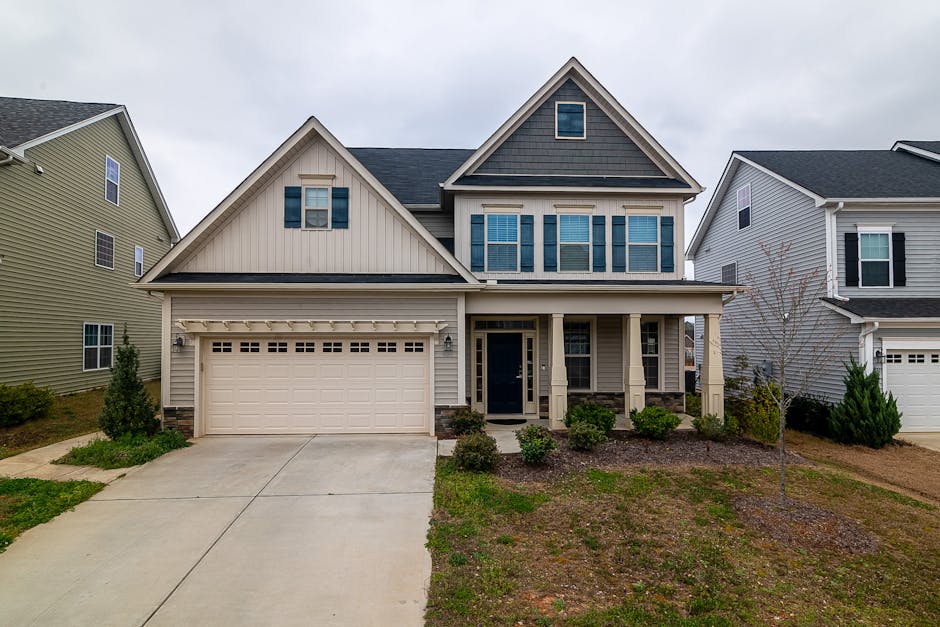
La Urbina, long overshadowed by its better-heeled neighbours, has quietly become Caracas’s unexpected property star. In the first half of 2026, median apartment prices in the eastern suburb surged by 32 percent, outpacing every district in the Sucre municipality and leaving property agents scrambling to find listings for an expanding pool of buyers.
Torrid heat elsewhere in Caracas hasn’t cooled the real estate market, but it has sharpened consumer interest in value for money and green spaces. With inflation biting and mortgage financing still tight—Banco Nacional de Crédito capped new residential lending at 400,000 bolívares per buyer—families and young professionals are zeroing in on clusters like La Urbina, which offers both affordability and accessibility. Its proximity to Avenida Rómulo Gallegos, the Parque Miranda metro, and key commercial strips is now driving a mini-boom unseen in leafier, higher-priced zones like Los Palos Grandes or Altamira.
The main avenue of La Urbina—Avenida Principal de La Urbina—has become a funnel for both local and returning expat buyers. According to the Caracas Property Registry, 233 apartment titles changed hands in La Urbina between January and June, a figure that’s more than double the same period in 2025 and higher than in neighboring El Marqués. Strikingly, more than a third of these buyers cited schools and transport as deciding factors, mentioning easy access to facilities like Colegio Humboldt and the Mercado Municipal de La Urbina.
Prices remain within reach for median-earners. Two-bedroom flats in gated residencias off Calle 7, for example, averaged 42,000 US dollars in April—about 20 percent less than comparable units in Altamira Sur, but with larger balconies and more secure parking, according to data from local agency Inmuebles Rápidos 24. The area’s relatively low profile has also insulated it from the surge in speculative flips that has made Chacao unaffordable for many locals.
The latest figures from Fivenca realtors show monthly rent yields for small apartments in La Urbina rising to 7.3 percent—about 1.5 points above the Caracas urban average. New business arrivals have also played a role: the opening of coworking spaces on Avenida La Estancia, combined with municipal clean-up campaigns, has helped shed La Urbina’s formerly drab image. Expanded policing under the Barrio Tricolor revitalization program contributed a 14 percent drop in reported property crimes between March and June, according to Sucre municipal data.
While city hall sources say no major new construction is planned, refurbishments of older 1970s and 80s buildings are accelerating. Developers like Grupo Urbania have bought up four multi-level blocks on Calle 9, targeting starter families with units below the 50,000-dollar mark. The average time a listing stays on the market has dropped from 41 days in 2025 to just 19 days this past quarter.
Looking ahead, property consultants predict La Urbina’s upward trajectory is likely to persist—at least while mortgage limits and core city prices keep pushing buyers east. Local brokers advise would-be investors to move fast while deals last, but caution that supply is thinning quickly. With values rising and essential services now outperforming neighbouring districts, La Urbina may not be the city’s biggest bargain much longer.

Property

Property
Property

Property
About this article
Published by The Daily Caracas
Spread the word
Daily brief
Free, in your inbox before 7am. Weekdays.
The Daily Network — local news across Australia