Property
Is Renting Actually Cheaper Than Buying Right Now in Caracas?
With mortgage costs at historic highs and landlords cutting deals to fill vacant units, the math on renting versus buying has rarely been this stark.
4 min read
Updated 1 h ago
Property
With mortgage costs at historic highs and landlords cutting deals to fill vacant units, the math on renting versus buying has rarely been this stark.
4 min read
Updated 1 h ago
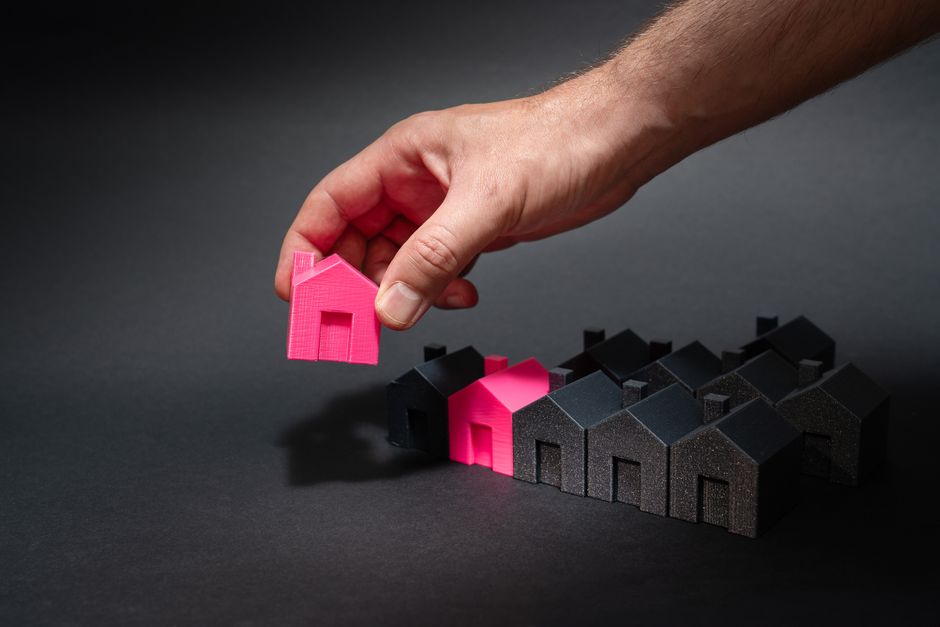
Renting a two-bedroom apartment in Las Mercedes right now costs roughly $850 per month. Buying a comparable unit in the same neighbourhood — factoring in the down payment, financing fees, and monthly servicing costs — runs closer to $2,100. That gap, which housing analysts at Caracas-based consultancy Datanálisis Inmobiliario have been tracking since January 2026, is the widest it has been in at least a decade, and it is reshaping how middle-class families in the capital think about where to live.
The timing matters. Venezuela's dollarized property market has been accelerating since 2022, with purchase prices in premium eastern Caracas corridors climbing between 12 and 18 percent year-on-year. Meanwhile, landlords — many of them diaspora owners managing properties remotely from Miami or Madrid — have been competing hard to retain tenants, keeping rental increases far more modest. The result is a city where signing a lease, once considered a stopgap, increasingly looks like the rational economic choice.
In Altamira, one of the capital's most sought-after residential zones, listed sale prices for a 90-square-metre apartment averaged $185,000 in June 2026, according to listings aggregated by Properati Venezuela. A buyer putting down the standard 30 percent in cash — roughly $55,500 — and financing the remainder through a bolivar-denominated loan at the central bank's reference rate faces effective monthly costs that dwarf local rental equivalents. Rents for comparable units in Altamira are running between $900 and $1,200, depending on floor and finish.
The purchase-to-rent ratio — a standard measure of relative affordability — now sits above 16 in Chacao municipality, meaning buyers must pay more than 16 years' worth of rent to own an equivalent property outright. Urban economists generally treat a ratio above 15 as a signal that renting is the financially superior option in the short to medium term. Caracas crossed that threshold citywide sometime in the first quarter of 2026.
The broader economic backdrop amplifies the pressure on buyers. Global uncertainty — Iran's political transition following the death of Supreme Leader Khamenei, continued disruption to North American trade routes — has made dollar-holding Venezuelans cautious about locking liquidity into illiquid assets. Several property brokers on Avenida Francisco de Miranda report that deal closings slowed noticeably through May and June, with buyers requesting longer due-diligence windows and walking away from transactions more readily than in prior years.
The calculation is not purely financial. Ownership in Caracas confers stability that renting does not — landlords in districts like El Rosal and La Castellana retain the right to reclaim properties with relatively short notice, and tenant protections, while nominally strong under Venezuelan housing law, are inconsistently enforced in practice. For families with school-age children anchored to specific zones near institutions like Colegio Los Campitos in Sebucan, the premium of owning can feel worth paying regardless of spreadsheet logic.
Still, financial advisers increasingly counsel clients to stress-test the opportunity cost. The $55,000 that would go toward an Altamira down payment, invested in dollar-denominated instruments, could generate $3,000 to $4,500 annually at conservative rates — partially or entirely offsetting monthly rent. That calculation is landing differently on families than it did even two years ago.
For anyone making this decision before year-end, three things are worth watching closely: whether the Banco Central de Venezuela adjusts reference lending rates in its anticipated September review, whether rental inventory in eastern Caracas tightens as school-year demand picks up in August, and whether continued dollar appreciation against the bolivar shifts the effective cost of bolivar-financed mortgages. None of those variables point decisively toward a buyers' market returning soon. For now, the lease is winning.

Property

Property
Property

Property
About this article
Published by The Daily Caracas
Spread the word
Daily brief
Free, in your inbox before 7am. Weekdays.
The Daily Network — local news across Australia