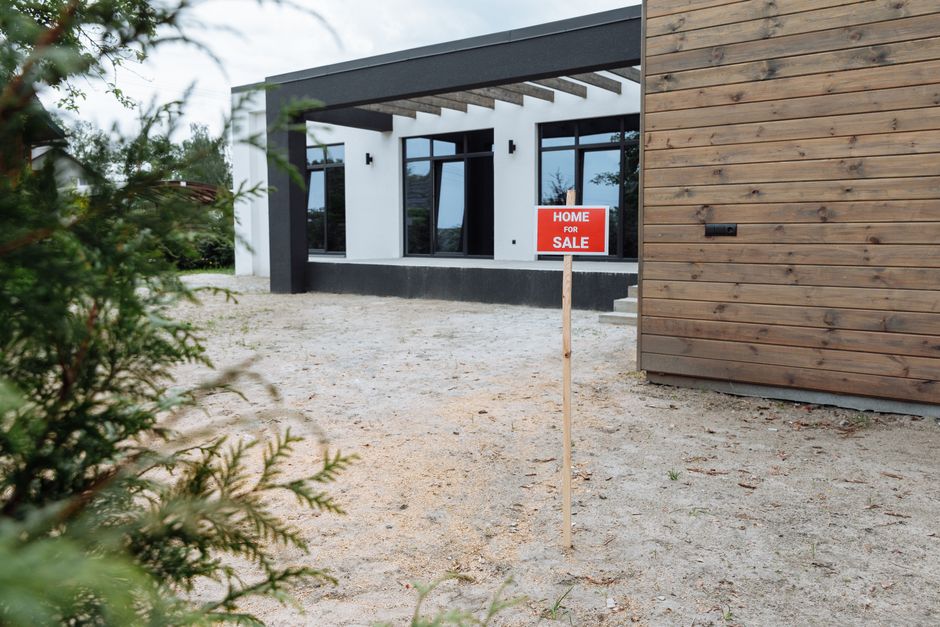
The numbers have turned. In at least four suburbs ringing Caracas, the monthly cost of servicing a dollar-denominated mortgage on a mid-size apartment has dropped below the asking rent for the same unit — a structural shift that property analysts at Burbuja Inmobiliaria Venezuela began tracking in the second quarter of 2026. For families who have been renting for years while waiting for stability, the window may finally be open.
The reversal matters now for two interlocking reasons. Venezuela's parallel exchange rate stabilised within a tighter band during the first half of 2026, reducing the currency risk that long frightened lenders and buyers alike. At the same time, rental landlords — many of them Venezuelans in the diaspora collecting dollars from abroad — have pushed asking rents aggressively upward, with Caracas apartment rents rising roughly 22 percent year-on-year through May 2026 according to data compiled by the Cámara Inmobiliaria de Venezuela. That combination of cheaper credit and expensive leases has quietly crossed a threshold.
Where the Gap Is Widest
El Hatillo is the clearest example. A three-bedroom apartment near Calle Río de Janeiro in the municipality's commercial core was listed for rent at $1,100 per month in June. An equivalent unit two blocks away, financed through Banesco's Crédito Hipotecario Dolarizado program at a 9.5 percent annual rate over 20 years, carries a monthly payment of roughly $790 — a difference of $310 every month, or $3,720 annually. Buyers still need a 30 percent down payment, which is a real barrier, but for those who have it, the arithmetic has changed.
Los Teques, the capital of Miranda State and a 45-minute drive from central Caracas along the Autopista Regional del Centro, shows a similar pattern. Rental prices in the Urbanización La Macarena sector climbed to an average of $650 per month for a two-bedroom unit by mid-2026, while purchase prices for comparable inventory have remained relatively flat since late 2024 — stagnating partly because the zone sits outside the tight supply crunch felt closer to Chacao and Baruta. Mortgage payments on a $75,000 purchase at current rates come in under $560 a month after a standard down payment. Petare's eastern residential pockets and portions of Antimano are showing early signs of the same dynamic, though data there is thinner.
Real estate agency RE/MAX Venezuela published a June 2026 market snapshot showing that the city-wide price-to-rent ratio in the outer municipalities averaged 14.2 — meaning a property sells for about 14 times its annual rent. Urban economists generally consider ratios below 15 to favour buying over renting. Caracas's inner districts — Chacao, El Rosal, Las Mercedes — still sit above 20, firmly in renter territory.
What Buyers Should Do Before Signing Anything
The affordability shift does not erase the practical obstacles. Dollar cash reserves remain a prerequisite for the down payment, legal title searches in Miranda State can take three months or longer, and the Registro Inmobiliario process still carries fees equivalent to 1.5 to 2 percent of the sale price. Buyers should budget for those friction costs before calculating how fast the monthly savings accumulate.
Independent mortgage brokers recommend getting a formal pre-qualification letter from either Banesco or Mercantil Banco before making offers, since sellers in El Hatillo and Los Teques have increasingly been prioritising buyers who can demonstrate financing is in place. The Cámara Inmobiliaria de Venezuela also maintains a free consultation desk at its offices on Avenida Libertador in Chacao, open Tuesday and Thursday mornings, where prospective buyers can verify title history and compare current listings against rental equivalents in specific postcodes.
The rent-versus-buy equation shifts constantly, and a rate adjustment at Banesco or another surge in rental listings could narrow the gap again within months. For now, the outer suburbs are offering something rare in Caracas: a genuine mathematical argument for owning rather than paying someone else's mortgage.