Property
What Renters Can Do When Leases End Amid Tight Supply in Caracas
With rental vacancies in Caracas at historic lows, tenants facing lease terminations are scrambling for options—and prices continue to climb.
3 min read
Property
With rental vacancies in Caracas at historic lows, tenants facing lease terminations are scrambling for options—and prices continue to climb.
3 min read

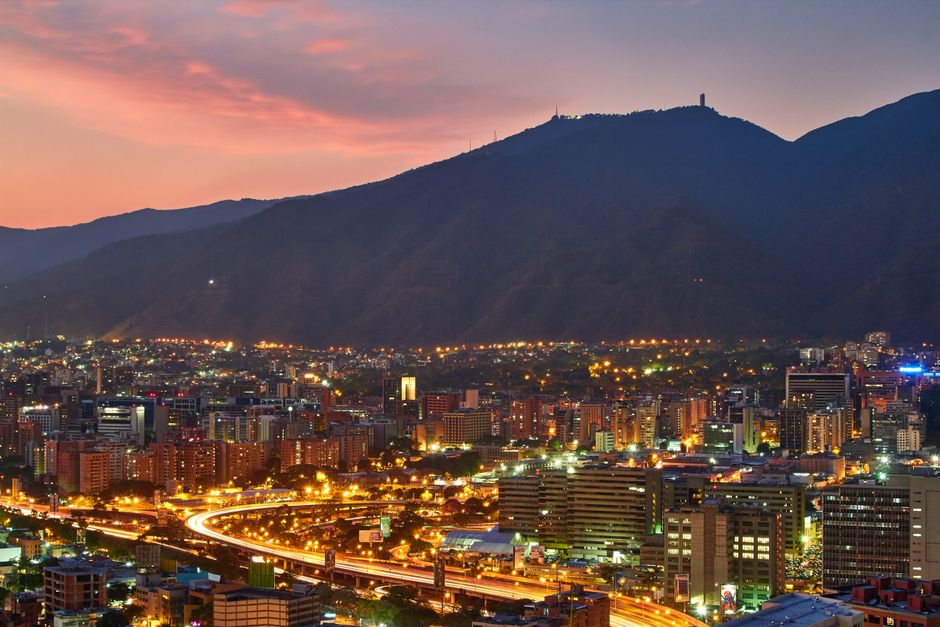
Finding an affordable new home has become a daunting prospect for renters in Caracas this July. As lease agreements expire, many tenants are being forced back into a fiercely competitive market marked by a shrinking number of available units and surging prices.
The squeeze is hitting as demand outpaces supply following last month’s earthquake, which left hundreds seeking temporary accommodation. Property agents from Chacao to El Paraíso report their phones ringing off the hook, while social media rental groups swell with anxious posts from residents whose leases are not being renewed, often due to landlords seeking higher-paying tenants or selling outright.
Rents on Avenida Francisco de Miranda and around Plaza Venezuela have jumped by an average of 18% since January, according to market tracking by Inmuebles Caracas, a leading city property portal. Popular middle-income neighbourhoods like Los Palos Grandes and Bello Monte are seeing bidding wars as renters try to lock in limited vacancies. Banco Nacional de Vivienda y Hábitat (Banavih), the government housing finance institution, has reported a 32% increase in walk-in consultations on emergency loan programs in the past month. Meanwhile, informal rental deals—sometimes little more than a handshake in a bakery on Sabana Grande—are popping up as would-be tenants desperately seek alternatives outside regulated channels.
In many cases, young professionals like computer technician Miguel Parra, who recently sought a one-bedroom in Altamira, are reluctantly moving further east to Petare or even Guarenas. "Two bedrooms are now going for $370 a month around Parque del Este—well beyond reach for most first-time renters," according to Banavih’s latest overview. Studio apartments under 50 square meters in Chacao regularly list for $310 per month, compared to $235 a year ago. With vacancy rates lingering below 2% in the central districts, the market remains punishing for those forced to move on short notice.
So what options exist for renters as their lease winds down? Real estate agency TuInmueble.com recommends exploring flat-sharing, which can reduce costs by 30-40% in prime areas. Tenants can also approach local resident associations—such as the Consejo Comunal of La Candelaria or the Junta de Condominio in El Rosal—which sometimes have inside tracks on upcoming vacancies before they hit public listings. Some renters are entering into short-term stays via platforms like Nestify, despite a 15-20% markup compared to traditional leases, as a stopgap while continuing their search.
Those with some savings are using Banavih’s microcredit programs, which now offer up to $5,000 for moving and deposits—a move that helped over 800 Caracas renters in May alone, according to official statistics. Meanwhile, online forums on Telegram and WhatsApp, such as the fast-growing "Alquiler-Caracas" group, have become hotspots for crowd-sourced leads on available rooms and apartments. As supply remains tight, one certainty persists: renters will need to act fast and stay flexible, with resourcefulness their best ally until, or unless, the city’s stagnant new construction pipeline delivers relief.
Property
Property
Property

Property
About this article
Published by The Daily Caracas
Spread the word
Daily brief
Free, in your inbox before 7am. Weekdays.
The Daily Network — local news across Australia