Property
Community Opposition Shapes Caracas Development Plans: Both Sides Explained
As new towers rise in Chacao and more permits clear in El Hatillo, local groups and developers lock horns over the city’s changing face.
3 min read
Property
As new towers rise in Chacao and more permits clear in El Hatillo, local groups and developers lock horns over the city’s changing face.
3 min read
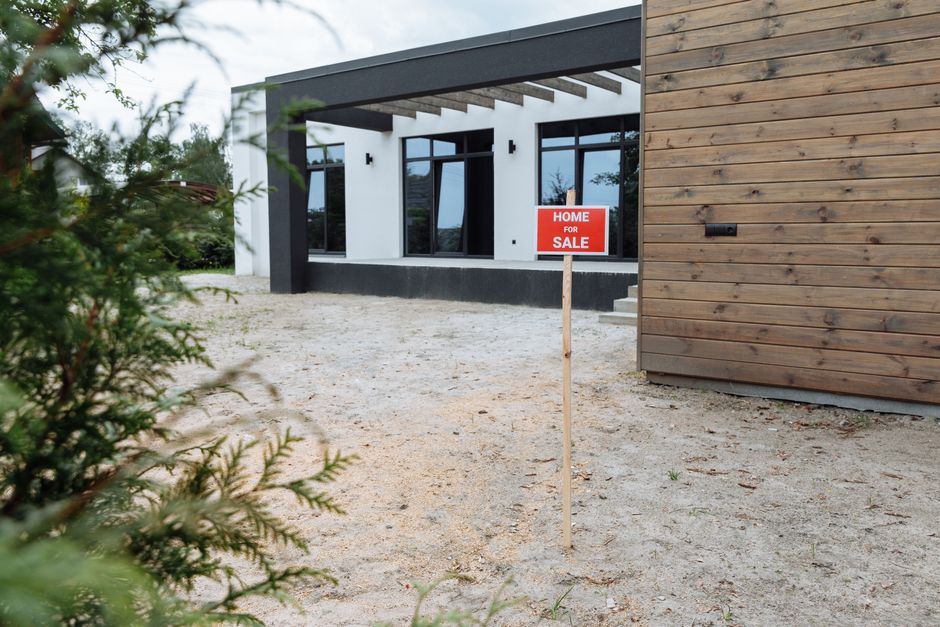
Local resident groups in eastern Caracas are mounting a coordinated push against a string of new residential projects, setting up a simmering confrontation with real estate developers vying for permits in the capital’s most sought-after districts. The most contentious fight this month centers on Avenida Principal de La Castellana, where a proposal from Consorcio Altis to build two 25-storey towers has drawn formal objections from the Asociación de Vecinos de La Castellana and several adjacent homeowners’ associations.
This fresh wave of community resistance comes as the capital undergoes the most significant wave of construction permits since 2021. Real estate investors argue these projects are crucial for addressing chronic housing shortages and luring back foreign capital, especially in neighborhoods like Chacao, El Rosal, and El Hatillo, where land values have doubled since 2022. Activists respond that high-rise schemes risk erasing what makes Caracas livable—mature trees, local shops, and the tight-knit feel of streets like Calle Urdaneta and Calle Miranda.
The development debate rose to a boil last month, when city council minutes revealed City Hall had quietly approved zoning changes for over 12 parcels along the Cota Mil corridor. "We want managed growth, not a vertical jungle," read one leaflet distributed outside the Centro San Ignacio shopping hub last weekend. Several district juntas parroquiales have now filed legal challenges with the Alcaldía Metropolitana, arguing that public consultations were skipped or rushed on at least seven key projects since January.
Caracas’s construction pace is outstripping almost every other major South American city this year, according to data compiled by the Cámara Inmobiliaria Metropolitana. As of June, 3,800 new housing units have broken ground within the municipality of Chacao alone, up from fewer than 1,200 in 2023. Average sale prices in La Castellana now hover around $3,200 per square meter—more than double the citywide mean. In El Hatillo’s new gated compounds, average rents have soared to $1,750 a month. Meanwhile, at least three local environmental groups, led by Ecourbe and Fundación Ávila Verde, warn that stormwater runoff and pressure on Parque Nacional El Ávila could worsen without tougher environmental impact assessments.
Developers counter the backlash, claiming delays and higher compliance costs are stalling badly needed stock and pushing families out to less-serviced zones. "If we want Caracas to keep attracting professional talent and investment, these projects are not optional," a senior consultant working on the La Floresta cluster told The Daily Caracas, speaking anonymously due to ongoing negotiations.
The next round of public hearings is scheduled for July 18 at the Concejo Municipal in Chacao, following a wave of appeals lodged by Las Mercedes businesses and resident groups on June 28. City officials say they will review at least five contested permits this month. Homebuyers and renters watching the market should expect continued supply bottlenecks—and possibly more legal fights—through the end of 2026. For now, those seeking new homes near Plaza Francia or the Avila foothills should monitor local junta notices and the Alcaldía’s online registry for the latest updates on project approvals and community meetings.

Property

Property
Property

Property
About this article
Published by The Daily Caracas
Spread the word
Daily brief
Free, in your inbox before 7am. Weekdays.
The Daily Network — local news across Australia