Property
Rental Vacancy Rates Hit Lows in Caracas, Fueling Fierce Competition for Apartments
Would-be tenants face record-low supply in popular districts like El Rosal and Bello Monte, driving up rents and leaving new arrivals scrambling.
3 min read
Property
Would-be tenants face record-low supply in popular districts like El Rosal and Bello Monte, driving up rents and leaving new arrivals scrambling.
3 min read

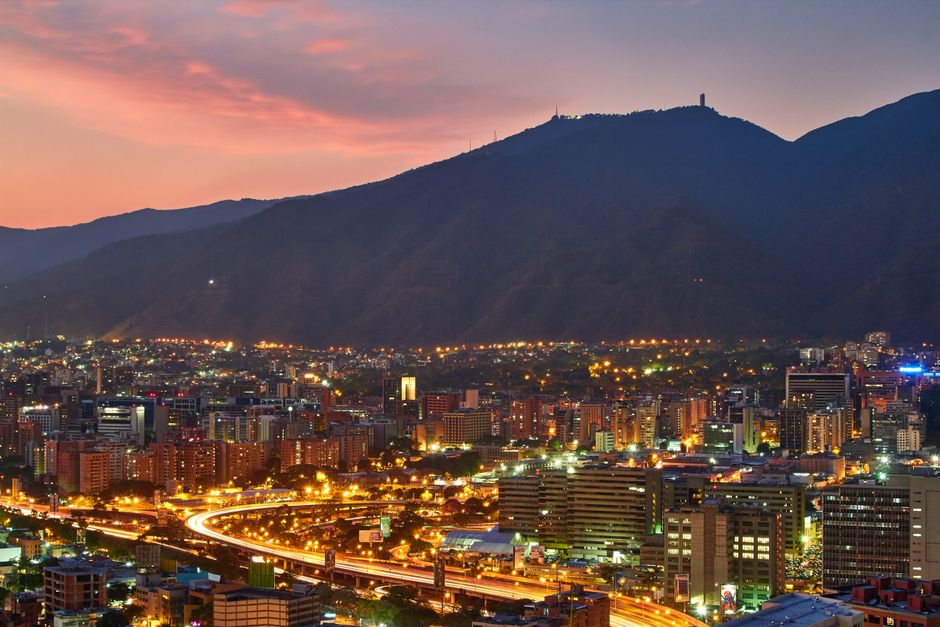
Getting an apartment to rent in central Caracas has never been harder. Fresh figures released this week by Inmobiliaria Metropolitana show vacancy rates now sit below 3.2% across the city’s most in-demand neighbourhoods, marking the lowest level since 2018. That has transformed simple apartment-hunting into a protracted battle—one with hundreds of renters often chasing each new listing within hours.
This crunch arrives just as demand is surging. New arrivals from the interior and returning Venezuelans have added pressure to a tight market already rocked by last month’s 5.9-magnitude earthquake. The disaster displaced hundreds in Sucre and Petare, driving up emergency demand in districts like Chacao, where landlords have been fielding dozens of applications for single-bedroom units along Avenida Francisco de Miranda.
For renters, the reality is stark whether you’re looking in El Rosal, with its bank towers and high rises, or working-class La Candelaria. “It’s become almost routine for a rental advertised on Monday to have a queue stretching down Calle Mohedano by that afternoon,” said an agent from Alianza Inmobiliaria, who manages several blocks near Plaza Altamira. The agency notes that two-bedroom apartments going for $450 a month—already a 20% jump from last year—are now off the market within 48 hours. Meanwhile, in Bello Monte, renovated studios are attracting up to 15 offers on the first day.
Several factors are driving this squeeze. After years of economic contraction, the construction pipeline has slowed: just 480 new private rental units were completed citywide in 2025, according to Caracas’ Urban Land Observatory. At the same time, a run-up in sales prices has nudged owners to sell rather than rent: property values in Las Mercedes rose 12% in the last 12 months, according to the local consultancy Mercado Inmobiliario Caracas, pricing out many would-be buyers who then opt to rent instead.
Hard numbers paint a difficult picture for tenants. The city’s average advertised rent reached $410 in June, up from $365 last year, while typical monthly salaries have lagged at just $195, according to the Central University of Venezuela’s recent cost-of-living report. That means more than half of a typical renter’s income goes toward housing even before factoring in advance payment demands (most leases require at least six months’ rent up front in areas like Colinas de Bello Monte).
For those hoping to pivot into buying, the equation isn’t any simpler. Median asking prices for modest apartments in Los Palos Grandes surpassed $63,000 last quarter, far outstripping what most aspiring homeowners can pay without US dollar savings or family support abroad. The government’s Vivienda Venezuela program, for its part, has faced well-documented delays, with fewer than 1,700 units delivered in the capital so far this year.
There’s little sign of relief in the short term. Agents expect another rent hike in September as university students return for the term. Still, market analysts suggest a closer eye on emerging districts like San Bernardino and La Urbina, where vacancy, though still low, is marginally higher and prices have yet to spike. Would-be tenants need to move fast, set clear priorities, and keep paperwork ready to maximize their odds in one of Caracas’s tightest rental markets on record.
Property
Property
Property
Property
About this article
Published by The Daily Caracas
Spread the word
Daily brief
Free, in your inbox before 7am. Weekdays.
The Daily Network — local news across Australia