Property
How much rent is too much? The 30% rule in practice in Caracas
Rising rents in Caracas test the time-honored guideline that tenants should spend no more than 30% of income on housing.
3 min read
Updated 9 h ago
Property
Rising rents in Caracas test the time-honored guideline that tenants should spend no more than 30% of income on housing.
3 min read
Updated 9 h ago
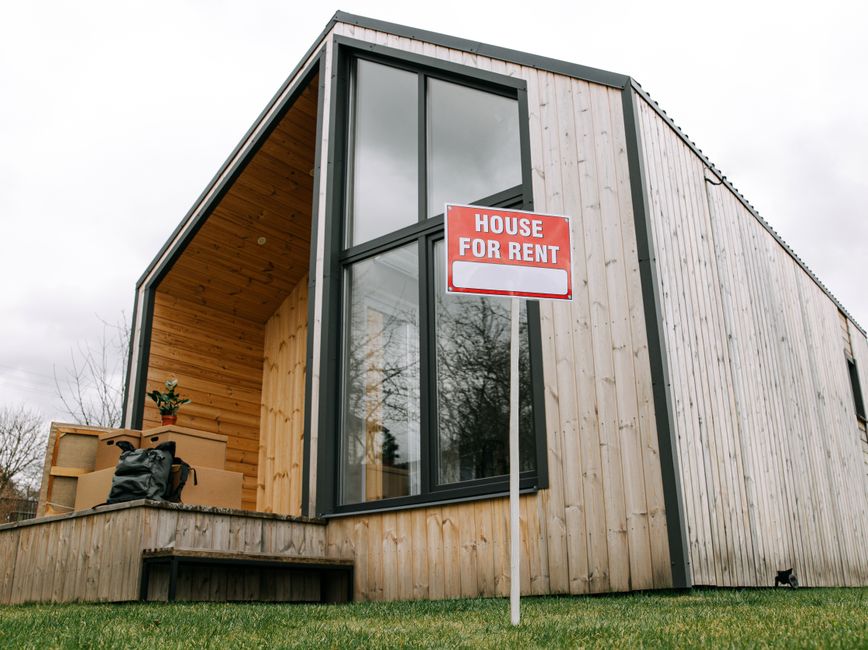
Antonio González, a 28-year-old engineer, signed a lease in March for a one-bedroom apartment on Avenida Francisco de Miranda. By May, nearly half of his monthly pay from a tech firm in Chacao was going straight to his landlord. "I tell myself I’ll move next year, but every flat I see is even more expensive," he said, echoing the frustration of many renters across the city.
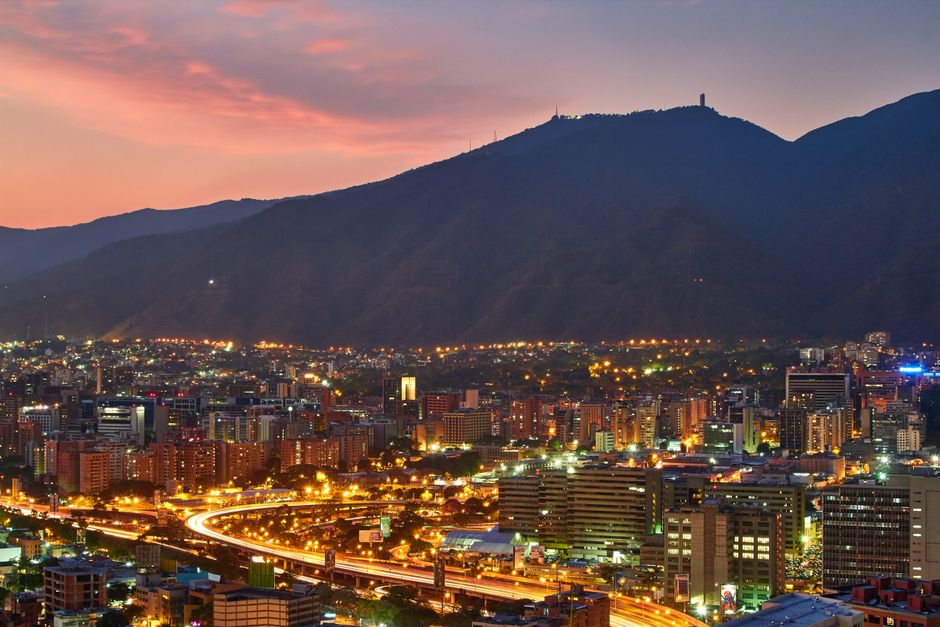
The question of how much is too much for rent has sharpened in Caracas this year. Updated listings from local realtors show typical rents for modest apartments in central areas—Bello Monte, La Candelaria, El Rosal—have jumped 18% since last July. In the aftermath of the June 21 earthquake, which triggered temporary work and home relocations for thousands, competition for stable leases has ramped up, putting more strain on tenants already affected by high inflation and stagnant wages.
The conventional wisdom says no more than 30% of your take-home pay should go to rent. In practice, Caracas residents are blowing past that threshold. According to data tracked by the Observatorio Venezolano de Finanzas (OVF), average rent for a two-bedroom apartment in central Chacao reached $540/month in June 2026, while the average monthly salary hovers near $900 for formal sector workers. On popular property platforms such as TuInmueble, deals below $400 in safe districts have become rare, especially after the earthquake displaced families from vulnerable buildings around Parque Central and Macaracuay.
Many younger renters are making compromises—accepting smaller spaces or moving into crowded roommate arrangements—to stay near workplaces in El Recreo and Altamira. The city’s housing authorities point to ongoing projects like the Misión Vivienda expansion in Caricuao, which will add 450 subsidized units by September, but at present, market realities force most private-sector tenants to stretch budgets beyond the 30% rule.
Some landlords have responded to the increased demand—and new building safety codes post-quake—by raising rents or seeking dollarized deposits. In La Florida, for instance, a renovated two-bedroom now routinely lists at $600/month. Properties that once languished on the market in La Pastora and Los Dos Caminos are suddenly attracting multiple applications within days, agents say.
What does this mean for renters? A single earner on a $900 monthly salary allocating the prescribed 30% would have $270 a month to spend. That budget hardly stretches to even a studio in Sabana Grande, where entry-level listings hover just above $300. Dual-income couples can hit the target more easily, but single renters are finding the rule nearly impossible to uphold. The OVF warns that households spending 40-60% of income on rent face tough choices, often cutting back on food and healthcare to pay landlords on time.
For those navigating renewals this summer, experts recommend reviewing contracts for dollar-linked clauses and being prepared to negotiate mild increases rather than major hikes. The Cámara Inmobiliaria Metropolitana suggests tenants look to neighborhoods like El Valle and Antímano, where average rents remain closer to $220-280. Meanwhile, some relief could arrive by late autumn, when more Misión Vivienda social units open and supply pressures ease. For now, though, Caracas renters are contending with tough math, as the old 30% ceiling feels increasingly out of reach in much of the city.
Property
Property
Property
Property
About this article
Published by The Daily Caracas
Spread the word
Daily brief
Free, in your inbox before 7am. Weekdays.
The Daily Network — local news across Australia