Property
Is Renting Actually Cheaper Than Buying Right Now in Caracas?
Surging home prices and volatile interest rates have pushed more residents to reconsider whether to rent or buy in the capital.
3 min read
Updated 9 h ago
Property
Surging home prices and volatile interest rates have pushed more residents to reconsider whether to rent or buy in the capital.
3 min read
Updated 9 h ago
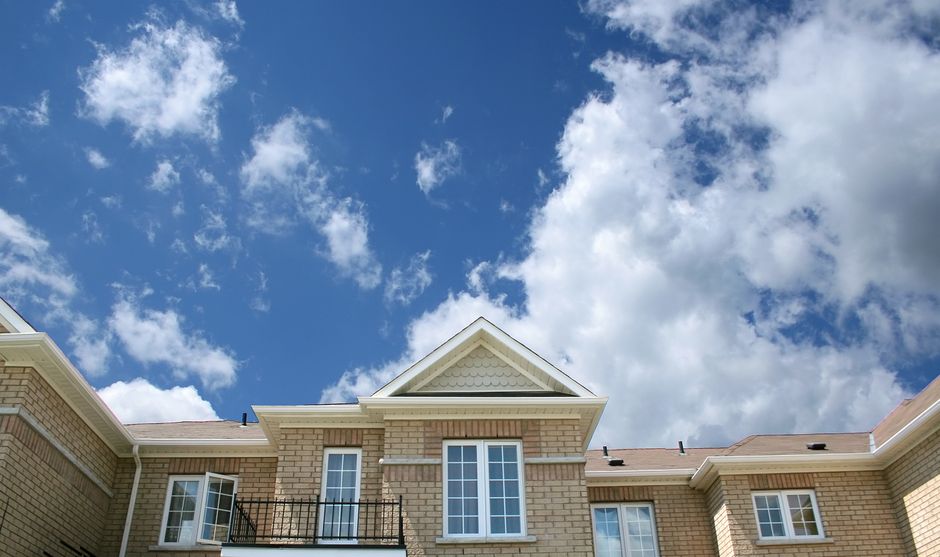
For middle-class families trying to secure a stable home in Caracas this July, the math is stark: renting a typical two-bedroom apartment in Altamira or La Castellana is, for the first time in at least four years, as costly as monthly loan repayments for a comparable purchased home—if you can clear the bank’s hurdles for a mortgage.
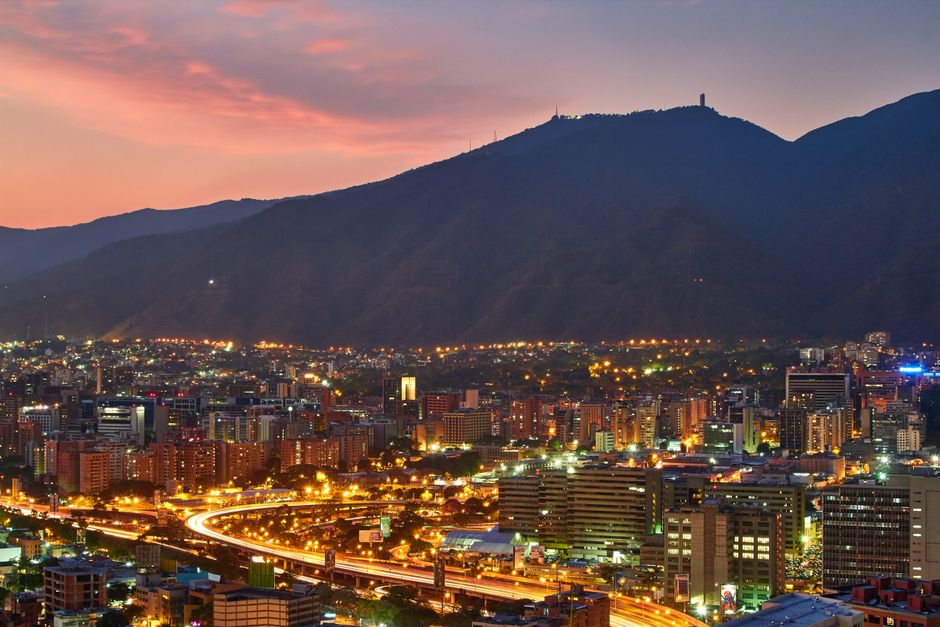
The question of renter versus buyer affordability is no longer academic. This year’s tremors, including last month’s magnitude 6.3 earthquake and persistently high inflation, have redirected attention from real estate as a store of value to the basic question of what makes financial sense. Jhonny Pérez, a property manager with Sambil Inmobiliaria, said that the uptick in rents since mid-2025 has upended old assumptions. “People used to rent because they couldn’t buy. Now many can’t afford to do either,” he said.
On Avenida Francisco de Miranda, a two-bedroom in Bello Campo rents for roughly $550 per month, according to listings aggregated by TuInmueble.com. That figure climbs to $800 or more in upscale El Rosal or along Calle París in Las Mercedes. Meanwhile, sales agents at Inversiones Metro Realty cite a median apartment price of $85,000 across the east side. At today’s average home loan interest rate of 15% (for those who qualify through state-backed Banco de Venezuela), monthly mortgage payments on such a purchase come to at least $780 when including bank fees and property taxes—barely a difference from local rental rates.
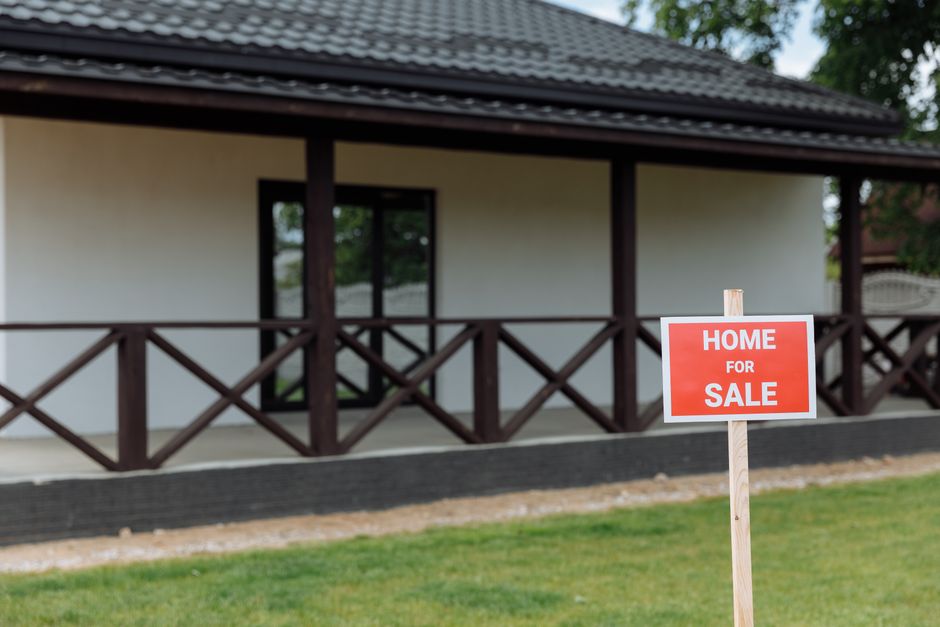
The catch? Few buyers have the hefty 30% down payment that most banks now require, even under government-sponsored programs like Gran Misión Vivienda. And after last month’s deadly quake, dozens of buildings in La Candelaria and El Paraíso have seen insurance costs spike, further complicating buy-side affordability.
Marketwide, the latest data from the Caracas Real Estate Chamber puts average residential rents up 11% year-on-year as of June 2026. Property asking prices have also climbed, but far more moderately—up just 3% for new construction. The result: for a typical middle-class family earning in dollars, out-of-pocket monthly housing costs are essentially flat whether leasing in Los Palos Grandes or committing to a mortgage in nearby Chacao. The difference comes in upfront capital demands, with renters typically asked for three months’ rent (one deposit, two upfront), while buyers must marshal $25,000 or more for a down payment plus closing fees.
As for government support, the long-running Fondo Nacional de Vivienda Habitacional (FONAVI) continues to offer some relief for first-time buyers through subsidised interest rates. But with inflation running at an annualised 61%, even those aid packages have struggled to keep pace with rising home and rental costs.
What happens next? Property consultants suggest Caracas residents with steady jobs or access to remittances abroad are still better off buying—if they can raise the down payment and plan to stay put for at least five years. Otherwise, renting remains the only practical option. Still, with even rental terms moving up and supply tightening following the earthquake, would-be movers should act quickly—or risk being priced out of both the rental and ownership markets entirely by Christmas.
Property
Property
Property
Property
About this article
Published by The Daily Caracas
Spread the word
Daily brief
Free, in your inbox before 7am. Weekdays.
The Daily Network — local news across Australia