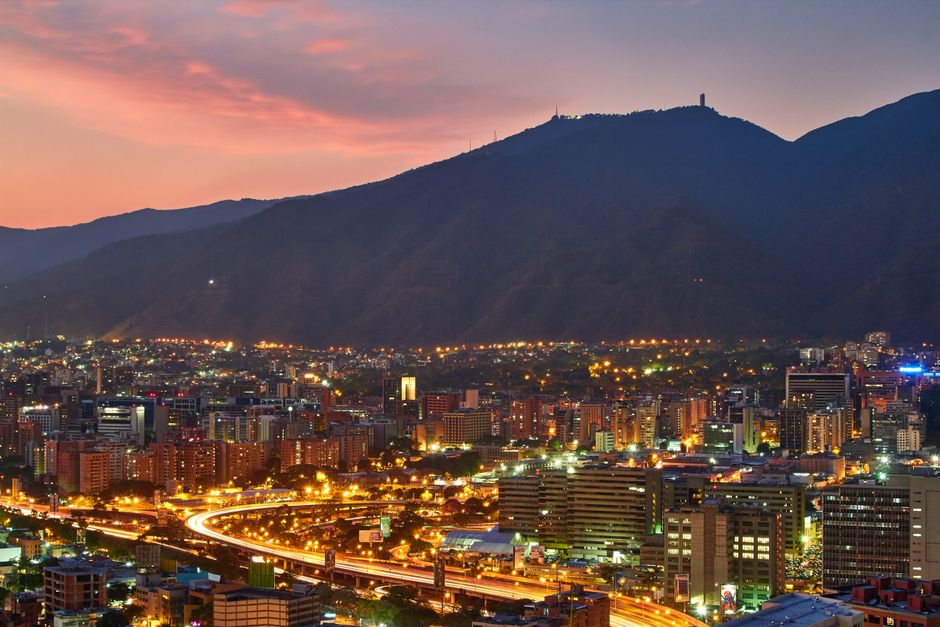
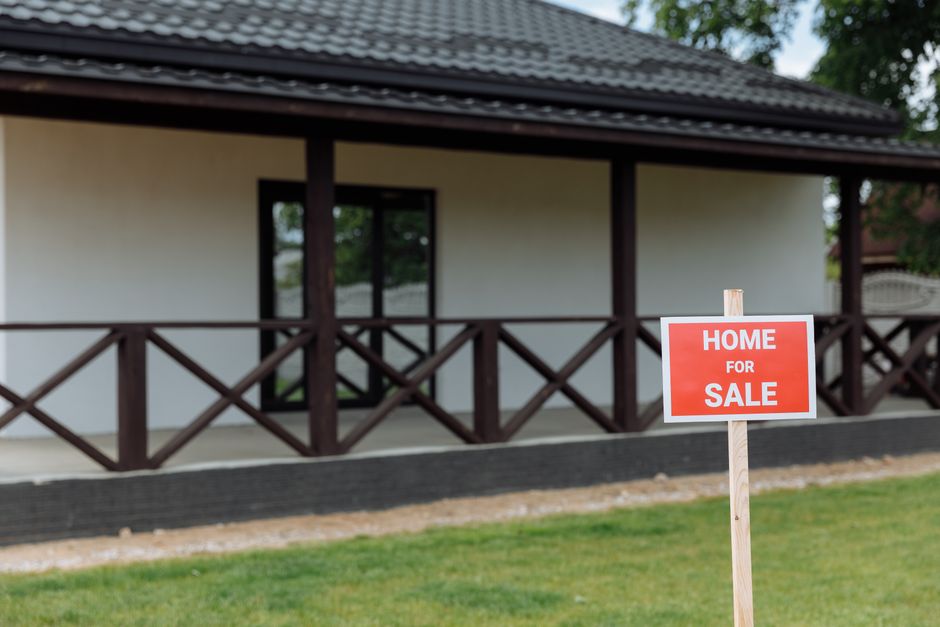
First home buyers are claiming auction victories in at least four Caracas municipalities where investor activity has cooled, according to transaction data compiled by the Cámara Inmobiliaria de Venezuela for the second quarter of 2026. In Baruta, El Hatillo, and parts of Chacao, clearance rates among buyers citing no prior property ownership hit 61 percent between April and June, the highest figure recorded for that cohort since the Cámara began tracking the metric in 2021.
The timing matters. Venezuela's Central Bank held the reference lending rate at 9.25 percent through June, and the government's Fondo de Ahorro Obligatorio para la Vivienda, known as FAOV, increased its maximum grant allocation for first-time buyers to the equivalent of USD 18,000 in July. That combination has pushed purchasing power just far enough ahead of asking prices in certain outer corridors to make auctions winnable. Inflation, always the great spoiler in this market, moderated to 4.1 percent month-on-month in May, the lowest reading in three years.
Where the deals are happening
Baruta is the standout. Along Avenida El Cafetal and within the Las Minas residential cluster, two-bedroom apartments that listed around USD 75,000 in January are clearing at auction for USD 71,000 to USD 73,000, a discount range that would have been unthinkable eighteen months ago when speculative buyers drove premiums of 8 to 12 percent above asking. Developers who over-built in 2024 are now vendor-financing at auction to move stock, which tilts the table toward end-users rather than flippers.
El Hatillo is drawing younger buyers specifically because of the Programa Semilla Habitacional, a municipal scheme launched in February 2026 that offers a 15-year subsidised mortgage top-up to residents under 35 purchasing their first property within the municipality. Uptake reached 340 approved applications by the end of June. Prices on Calle La Lagunita remain elevated, studio units start at roughly USD 55,000, but the subsidy closes much of the gap for buyers who qualify.
Chacao tells a more nuanced story. The dense corridor around Avenida Francisco de Miranda still sees heavy institutional competition, but one block south, in the quieter streets feeding into Parque Los Chorros, first-time buyers with FAOV pre-approval have successfully outbid investors at three recorded auctions since May. The margin of victory was thin, an average of USD 1,200 above the reserve, but the wins are symbolic. Agents working the Chacao office of Inmobiliaria Ávila Group reported in their June circular that investor inquiries dropped 18 percent quarter-on-quarter as dollar rental yields in the area compressed below 5 percent annually.
How to position yourself before auction day
Getting FAOV pre-approval takes four to six weeks under normal processing loads at the Banco Nacional de Vivienda y Hábitat, so buyers targeting the next auction cycle, most fall in late August and September, need to start paperwork now. The bank's Chacao branch on Avenida Libertador handles the bulk of metropolitan applications and currently has a six-week queue. Applicants need two years of formal employment records, a national identity document, and proof that neither they nor a spouse has previously held a property title anywhere in Venezuela.
Beyond FAOV, the Alcaldía de Baruta's housing office confirmed this week that it is accepting applications for a second round of Semilla-style vouchers, modelled on El Hatillo's program, with decisions expected in August. The maximum voucher value is Bs. 950,000, roughly USD 9,500 at the current parallel rate.
First home buyers who registered for FAOV before June 30 will also benefit from a transitional rate, 7.75 percent on the subsidised tranche, that the Housing Ministry confirmed applies to any purchase contract signed before December 31, 2026. Miss that window and the rate reverts to the standard 9.25 percent. That deadline, more than any auction calendar, is the number buyers should have on their wall.