wellness
Caracas Residents Lose Hours of Sleep: Experts Reveal Top 3 Fixes
Caraqueños are losing hours to noise, heat, and bad lighting, here's what sleep researchers say you actually need to fix first.
How we reported this
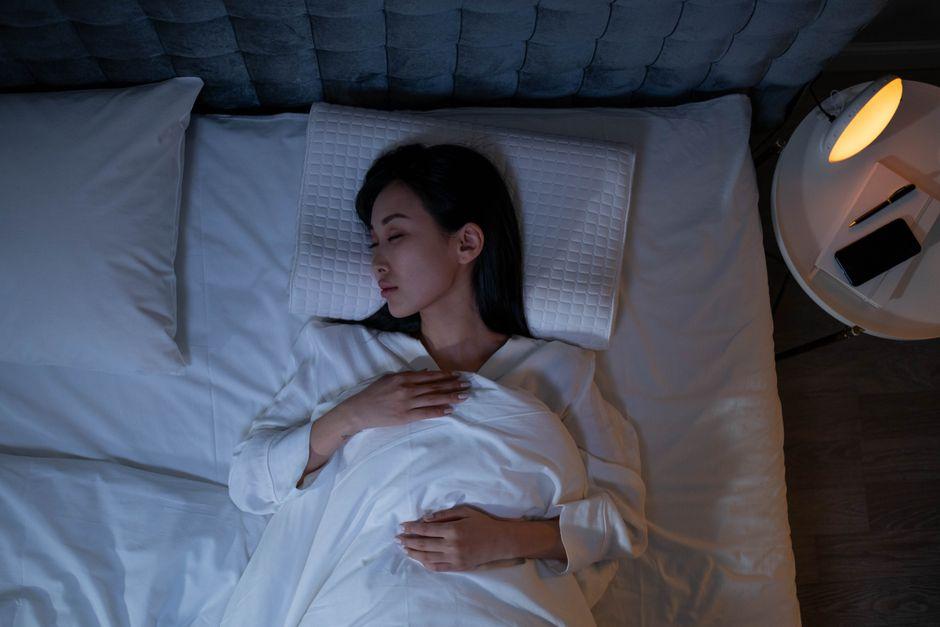
The average adult in Latin America sleeps 6.2 hours per night, according to a 2025 survey by the Pan American Health Organization, nearly two hours short of the seven-to-nine-hour window the World Health Organization recommends. In Caracas, where traffic on the Francisco Fajardo highway can roar past midnight and summer temperatures in July regularly push above 28°C, the bedroom itself is often the first problem worth fixing.
Sleep medicine has gained momentum in Venezuela's capital over the last three years. The Centro Médico de Caracas in San Bernardino added a dedicated sleep disorder unit in late 2024, and smaller wellness clinics in Altamira and Las Mercedes report rising demand for consultations about insomnia and sleep quality. The reasons are not mysterious: economic pressures, erratic power schedules in some zones, and the city's persistent ambient noise have stacked up into what one local health pamphlet from Clínica El Ávila called a "chronic sleep debt epidemic." Doctors at those clinics consistently encourage patients to begin with the environment before reaching for any supplement or medication. (Anyone with persistent sleep difficulties should, of course, consult a licensed physician.)
What the Checklist Actually Covers
Start with temperature. A bedroom above 24°C measurably delays the drop in core body temperature the brain needs to initiate deep sleep. In Caracas's hot season, that means using a ceiling fan or air conditioning, where power supply allows, to bring the room closer to 20-22°C. Lightweight cotton sheets, widely available at the Sambil Caracas shopping center in Chacao for around 80-120 bolivares per set depending on thread count, help more than most people expect.
Darkness is the second lever. The body's melatonin production responds to light exposure with surprising precision, even a sliver of streetlight through thin curtains can suppress the hormone for up to 90 minutes. Blackout curtains or heavy drapes are the fix. Hardware stores along Avenida Libertador stock them starting at roughly 60 bolivares, though availability shifts week to week. A cheaper workaround: a sleep mask, which costs under 15 bolivares at most pharmacies in El Rosal.
Noise deserves its own attention. The Bello Monte and La California neighborhoods sit close enough to the Francisco de Miranda avenue corridor that residents routinely report being woken by motorcycles between 1 and 3 a.m. White noise machines, sold at specialty wellness shops like BioVida in Las Mercedes, can buffer intermittent sounds effectively. A free alternative is a white noise app set at around 65 decibels, which research published in the journal Sleep Medicine in March 2025 found reduced nighttime awakenings by 36 percent in urban apartment dwellers.
Screens, Scents, and the Hour Before Bed
Phone and laptop screens are the most frequently cited culprit in sleep medicine literature right now, and the data keeps tightening. Blue light from a typical smartphone screen at maximum brightness delays melatonin onset by roughly 30 minutes after just two hours of evening exposure. The practical rule: no screens within 60 minutes of your intended bedtime. Replace that hour with reading, light stretching, or conversation.
Aromatherapy sits in a grayer zone, the evidence is thinner, but lavender essential oil has shown statistically modest improvements in sleep onset in at least four randomized controlled trials. Local wellness markets, including the weekend Mercado de Chacao on Calle Comercio, carry Venezuelan-sourced lavender and chamomile products for 10-25 bolivares per bottle.
Finally, fix the mattress and pillow situation honestly. A mattress older than eight years loses roughly 70 percent of its original support capacity, according to the Sleep Foundation's 2024 guidelines. That translates directly into more micro-awakenings and worse spinal alignment. The Caracas branch of Confort Total on Avenida Principal de Las Mercedes runs clearance cycles quarterly, the next one is expected in September 2026.
The checklist is not complicated: cool the room, darken it, quiet it, step away from the screen, and audit your mattress. None of these steps requires a clinic visit or a prescription. Most of them cost less than a dinner in Altamira. The science is unusually consistent on this point, the environment shapes the sleep, before anything else gets a chance to.