Wellness
Mindfulness in Schools: What Local Programs Are Available
From Chacao to El Hatillo, Caracas classrooms are quietly adopting meditation and breathing techniques — here's what parents need to know.
4 min read
Updated 2 h ago
Wellness
From Chacao to El Hatillo, Caracas classrooms are quietly adopting meditation and breathing techniques — here's what parents need to know.
4 min read
Updated 2 h ago
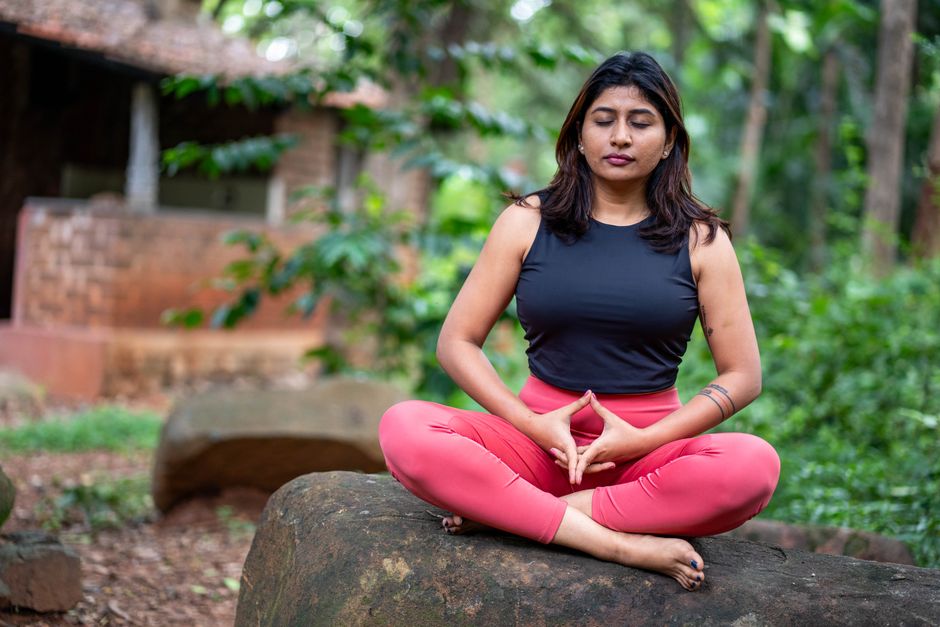
At least a dozen schools across Caracas have introduced structured mindfulness programs since the beginning of the 2025–2026 academic year, according to figures from the Fundación Bienestar Escolar, a Caracas-based nonprofit that has been tracking classroom wellness initiatives since 2019. The figure is small but growing, and educators say demand from parents is pushing the conversation faster than formal curriculum policy can keep up.
The timing matters. Venezuela's secondary school dropout rate climbed to 34 percent in 2024, according to data published by the Instituto Nacional de Estadística, and anxiety and concentration problems are consistently cited by teachers as contributing factors. Global research adds weight to the local concern: a 2024 meta-analysis published in the journal Child Development covering more than 6,000 students found that school-based mindfulness programs reduced self-reported anxiety scores by an average of 19 percent over a 12-week period. Caracas school administrators are paying attention.
Two programs stand out for their reach and structure. The first is Mente Clara, a Caracas-founded initiative operating out of a coordination office on Avenida Francisco de Miranda in Chacao. Mente Clara currently works with seven schools, including two public liceos in Petare and Antímano, running 20-minute guided breathing and body-scan sessions three times a week during homeroom periods. The program costs participating public schools nothing — it is funded through a combination of corporate social responsibility grants and a fee-for-service model with private schools, which pay around 800,000 bolívares per semester for the full package.
The second is a quieter, parent-driven effort at the Colegio Los Arcos in El Hatillo. There, a certified instructor from the Centro de Meditación Ananda — which has run adult classes from its space near the Plaza de El Hatillo since 2017 — visits twice a week for sessions specifically adapted for students between ages 10 and 15. Parents pay a voluntary monthly contribution of roughly 12 USD, pooled to cover the instructor's fee. The school's academic coordinator confirmed the arrangement began in September 2025 and has since expanded from one pilot group of 18 students to three groups totalling 54.
Several other schools in Las Mercedes and Altamira have integrated shorter, teacher-led breathing exercises into their morning routines without external program support. These are informal, undocumented, and entirely dependent on individual teacher initiative — which advocates say is both the flexibility and the fragility of that approach.
Mindfulness in schools is not without critics. Some developmental psychologists caution that programs designed for adults and adapted downward for children can miss key developmental differences, particularly for children under nine. The most rigorous school studies — including a 2023 review by University College London covering 33 randomized controlled trials — found that benefits were strongest when instructors received at least 20 hours of program-specific training, sessions ran for a minimum of eight weeks, and teachers were involved rather than sidelined during sessions. Mente Clara's facilitators complete a 40-hour certification, which meets that threshold. Centro de Meditación Ananda's instructor holds a credential from the Mindfulness-Based Stress Reduction program originally developed at the University of Massachusetts, now delivered in Spanish through a Latin American affiliate.
For parents in Caracas curious about options, the practical starting point is straightforward. Contact Mente Clara directly through their Chacao office to ask whether your child's school is already in their network or eligible for partnership. If you are in El Hatillo, the Colegio Los Arcos model shows that a parent committee with modest, organised funding can bring a qualified practitioner into a school without waiting for formal Ministry of Education policy. The Fundación Bienestar Escolar also maintains a directory of vetted wellness facilitators working in the city — updated as of January 2026 — available on request from their offices on Calle La Joya in Chacao. As with any health-adjacent intervention for children, consulting a local pediatrician or child psychologist before enrolling a child in a new program is always the right first call.

Wellness

Wellness

Wellness
Wellness
About this article
Published by The Daily Caracas
Spread the word
Daily brief
Free, in your inbox before 7am. Weekdays.