wellness
Caracas Residents Launch Walking Groups Through Neighborhood Parks
Caracas has the hills, the parks, and the energy, here's how to turn a solo morning walk into a movement.
How we reported this
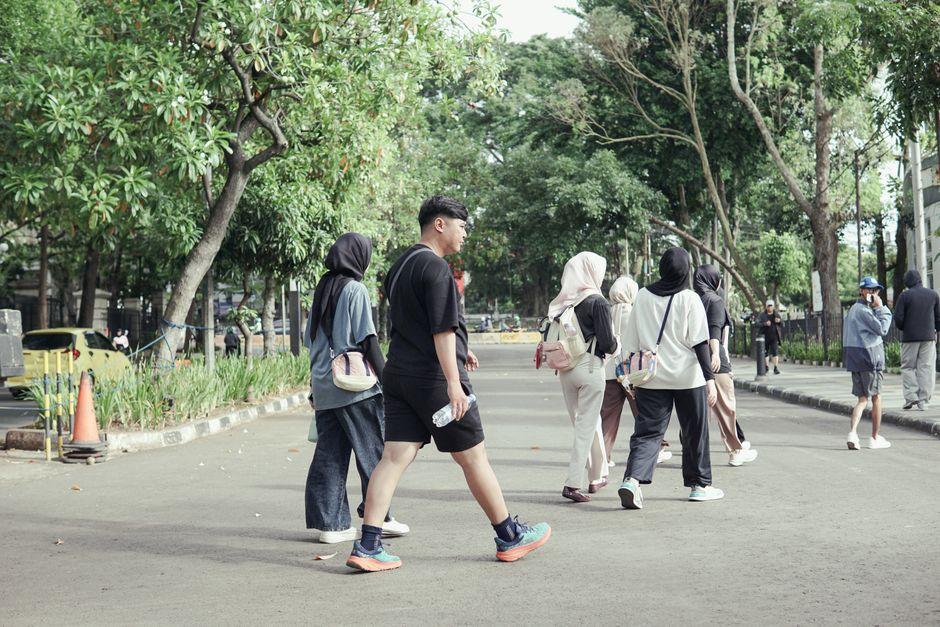
More than 40 community fitness groups have registered with Caracas's municipal sports office, the Instituto Distrital de Deportes, since January 2026, and walking clubs account for nearly a third of them. The numbers are moving in one direction. After years of gym culture dominating the city's wellness conversation, residents are lacing up and heading outside, and organising their neighbours to join them.
The timing makes sense. Fuel costs have pushed more caraqueños toward neighbourhood-level routines, and a growing body of public health research is landing in people's hands via social media. A 2024 World Health Organization report found that adults who walk at least 150 minutes per week cut their risk of cardiovascular disease by roughly 35 percent, a statistic that wellness instructors across Caracas's Chacao and El Hatillo municipalities have been citing in their community sessions. With hormonal health, stress management, and metabolic fitness dominating wellness discourse globally right now, walking has quietly re-emerged as one of the most evidence-backed tools available to anyone, regardless of budget.
Where Caracas Already Walks
Two locations stand out as natural anchors for anyone wanting to build a neighbourhood group from scratch. Parque del Este, formally the Generalísimo Francisco de Miranda park in Sucre municipality, draws hundreds of walkers on weekend mornings, and its 1.8-kilometre inner loop is well-lit and traffic-free. Further west, the paths threading through Parque Los Caobos near the Universidad Central de Venezuela provide a cooler, tree-shaded alternative that appeals to groups who prefer a mid-morning start after the worst of the heat has passed.
Several informal walking collectives already operate out of these spaces. The group known locally as Caminantes de Altamira, which meets Tuesdays and Thursdays at 6:30 a.m. on Avenida Luis Roche, has grown from seven founding members in March 2025 to more than 50 regular participants. They use a WhatsApp broadcast list to confirm routes and share session times, a model that costs nothing and requires no formal registration to replicate.
The Practical Steps
Starting small is the only real rule. Pick one fixed day, one fixed meeting point, and commit to showing up for at least four consecutive weeks before recruiting beyond your immediate circle. Three people is enough to call it a group; consistency is what converts casual walkers into regulars.
Route planning matters more than most first-time organisers expect. In hilly eastern Caracas neighbourhoods like La California or Sebucan, even a 45-minute loop can involve serious elevation change. Apps like Wikiloc carry user-uploaded tracks from local walkers and can help you map a route appropriate for mixed fitness levels before your first session. Aim for no more than four kilometres in the opening weeks.
Announce the group through physical channels as well as digital ones. A single A4 flyer posted in the lobby of a residential building on Calle Los Mangos in Chacao, or pinned to the community board at the Mercado de Chacao on Avenida Francisco de Miranda, will reach neighbours who are not on social media. The Instituto Distrital de Deportes also maintains a free community events listing on its portal, registering there gives a group modest but real visibility and can unlock access to shared equipment like reflective vests for early-morning sessions.
Safety is a legitimate concern and should be addressed directly, not dismissed. Walk during daylight hours where possible, share your planned route via the group chat before you leave, and designate one person per session as a point of contact. Keeping groups to 20 or fewer participants makes coordination manageable and keeps the energy social rather than logistical.
The first session will feel awkward. The fourth will not. By the eighth, you will have regulars who miss it when they skip. Caracas's active street life, its distinct barrios with their own micro-communities, and its genuinely walkable green corridors make it unusually well-suited to this kind of low-cost, high-return community fitness model. The infrastructure is already there. All it needs is someone to show up first. Anyone seeking personalised guidance on exercise intensity or physical limitations should consult a local medical professional before beginning a new fitness routine.