Wellness
Group Exercise Classes at Council-Run Facilities: A Guide
From Chacao to El Paraíso, Caracas's municipally operated fitness centres are filling up fast — here's what you need to know before you show up.
4 min read
Updated 48 min ago
Wellness
From Chacao to El Paraíso, Caracas's municipally operated fitness centres are filling up fast — here's what you need to know before you show up.
4 min read
Updated 48 min ago
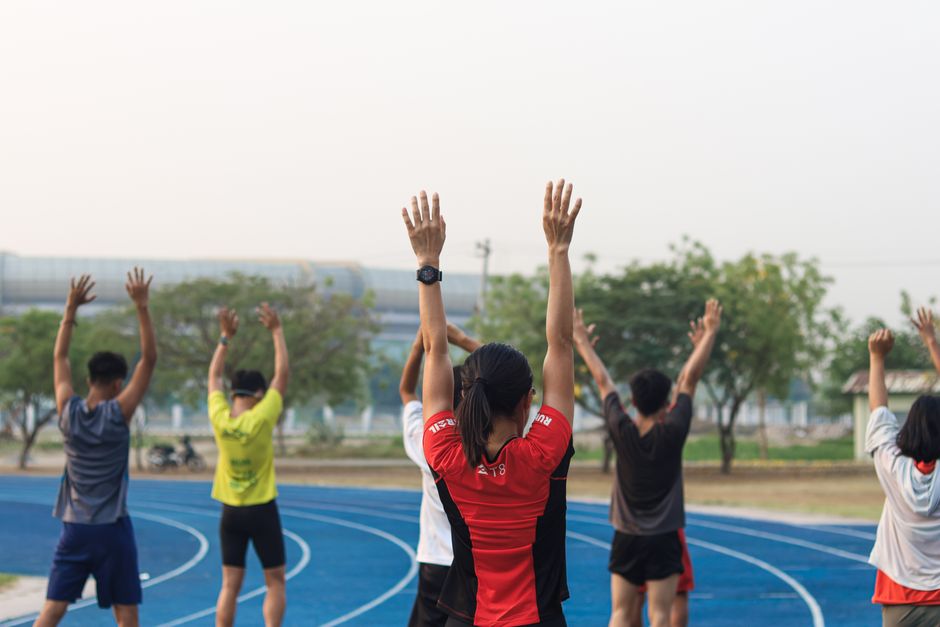
Demand for group exercise classes at Caracas's council-funded recreational facilities has surged to levels not seen in at least a decade. Waiting lists at the Centro Deportivo Municipal de Chacao on Avenida Libertador have stretched to three weeks for peak-hour slots, and attendance figures across the Alcaldía Metropolitana's network of public gyms rose roughly 34 percent between January and June of this year, according to programme coordinators at the facilities.
The timing matters. July marks the midpoint of the Venezuelan school-year break, when working adults and teenagers alike have more flexibility in their schedules. Municipal programmes tend to see their biggest intake of new participants during this window, which runs through early August. At the same time, a broader cultural shift is underway in the capital: neighbourhood WhatsApp groups and Instagram pages dedicated to barrio-level fitness collectives have multiplied across La Candelaria, Los Palos Grandes and Petare, signalling that exercise is no longer seen as a luxury reserved for private gym members.
The Alcaldía de Chacao operates three main public sports complexes, the most accessible being the Polideportivo de Chacao on Calle Guaicaipuro, just off the Francisco de Miranda metro corridor. Morning sessions — which include aerobics, step and low-impact Zumba-style cardio — run Monday through Saturday starting at 6:30 a.m. A monthly inscription costs around 12 to 15 bolívares digitales, adjusted quarterly by the municipality, which keeps it within reach for most residents. Afternoon slots from 4 p.m. onward fill faster, so arriving in person to register is advisable rather than relying on phone enquiries.
Further west, the Instituto Municipal de Deporte El Paraíso, located near the junction of Avenida Páez and Avenida La Paz, runs a more varied timetable that includes functional training circuits and yoga adapted for older adults — a programme called Bienestar 60 that launched in March 2026 and already has 180 registered participants. The facility opens at 6 a.m. on weekdays. Saturday sessions are free of charge and open to walk-ins, which makes them a practical entry point for anyone unsure about committing to a monthly plan.
The Parque del Este complex, formally the Parque Generalísimo Francisco de Miranda in Caracas Este, is technically managed by a separate national body, but the Alcaldía Metropolitana co-sponsors several group fitness activations there on Sunday mornings between 7 a.m. and 10 a.m. These are outdoor, free and require no registration. Pilates mats, resistance bands and basic weights are available on a first-come basis.
Research published in the journal Social Science & Medicine found that people who exercise in group settings are 26 percent more likely to maintain a consistent routine after six months compared with those who train alone. The social accountability factor is the most commonly cited reason. Municipal programmes exploit this by pairing first-month participants with a designated monitor — a trained instructor who tracks attendance and checks in when someone goes missing for more than two consecutive sessions.
Hormonal health has also entered the conversation around structured group exercise. Consistent aerobic activity three to four times per week is associated with improvements in cortisol regulation and sleep quality, factors that wellness professionals across Caracas are increasingly raising with their patients. If you have specific concerns about how exercise interacts with medications or hormonal conditions, speaking with a local endocrinologist or general practitioner before starting any new programme is the right first step.
For residents ready to commit, the practical advice is straightforward: go in person to the facility closest to you during its first administrative hour, bring a photocopy of your cédula de identidad and ask specifically about the current trimester's schedule, since timetables at council facilities reset every three months. The next schedule cycle begins August 4. Registration for that cycle opens July 21 at most Alcaldía-run centres across the city — and based on current demand, those spots will go quickly.
About this article
Published by The Daily Caracas
Spread the word
Daily brief
Free, in your inbox before 7am. Weekdays.
The Daily Network — local news across Australia