On a humid Saturday morning in July, nearly 25 Caraqueños gathered on the rooftop terrace of Quinta Esencia Yoga, just off Avenida Principal de La Castellana, to quietly inhale and exhale, eyes closed and faces softened. The centre's weekend meditation circles, once a modest affair, now see regular waiting lists as demand for mindfulness practices surges across the city.
As unpredictable economic swings and relentless traffic jams continue to wear down Caracas residents, the hunger for reliable mental health tools is growing. Wellness experts working in the capital report consistent increases in enrolments for meditation courses, as more people seek shelter from urban chaos. The rising popularity of digital and in-person options signals a cultural shift, with locals seeking not only relaxation, but a sense of community and emotional resilience amid daily uncertainties.
Meditation in the Heart of Caracas
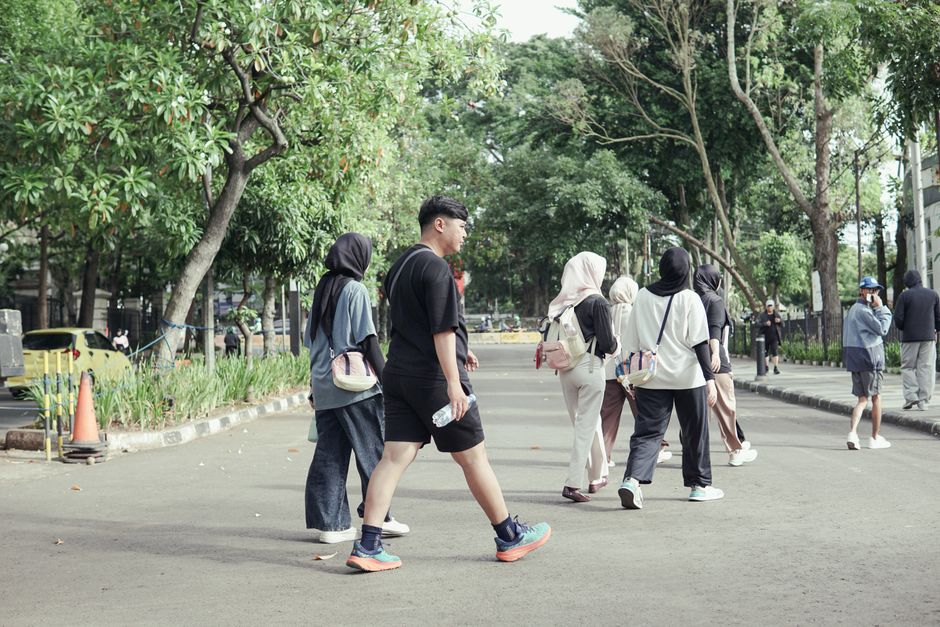
For those ready to switch off their phones and settle into stillness, Caracas offers a surprisingly rich menu of mindfulness experiences. Quinta Esencia Yoga in La Castellana runs guided meditation walks on Sunday evenings along Parque del Este, combining mindful breathing with gentle movement surrounded by greenery. Over in Los Palos Grandes, Centro Zen Caracas welcomes both beginners and veterans for its daily zazen sittings, where participants gather in silent contemplation before work. The centre, tucked behind a row of cafés on Segunda Avenida, provides all cushions and offers drop-in sessions for a suggested donation of 2 dollars or 120 bolívares, helping to keep access open regardless of income.
Digital options have also blossomed. Locally developed app Respira Caracas launched in January 2026 and already boasts more than 7,000 downloads, according to its creators at the Universidad Central de Venezuela’s wellness initiative. The app offers short, Spanish-language guided meditations, stress check-ins, and breathing reminders specifically timed for morning commutes or evening wind-downs—customised to match Caracas’s rhythms. Meanwhile, international platforms like Insight Timer and Calm report a steady uptick in registered users from Venezuela since 2025, helped by their growing library of free meditations in Spanish and offline access features essential for those contending with spotty internet connections.
More People Seeking Calm—and a Roadmap to Try It
Numbers support the surge. A May 2026 report from Caritas Venezuela notes a 37% increase in participation in community wellness workshops citywide over the last 12 months, with meditation and breathing classes among their most popular offerings. At Park Yoga Caracas, teacher Ana Montilla says early morning classes in Plaza Altamira regularly draw 40 or more, double pre-pandemic crowds. Prices for in-person courses range from donation-based sessions at Zen centres to structured eight-week mindfulness workshops averaging $25 to $40 USD for the full course—still a notable investment but increasingly seen as necessary self-care, especially as mental health costs elsewhere remain prohibitive.
For Caraqueños curious about getting started, most centres recommend trying a free beginner session—many are listed weekly on community noticeboards, Facebook groups like "Medita Caracas", or through direct messaging with local instructors via Instagram. Respira Caracas is free to download and use, with extra programs available for a nominal fee. For those hesitant to join a public group, the app offers a private, step-by-step introduction in Spanish, tailored to local routines and concerns. Experts agree that even five quiet minutes per day—on a park bench, in a car, or before bed—can make a difference.
As public interest continues to swell, new classes and events are likely to sprout in almost every neighbourhood. With the city’s collective stress load showing no signs of letting up, and options now available for almost any schedule or budget, finding a space for mindful pause looks less like an indulgence—and more like a necessity in Caracas’s daily storm.