Gold crossed $4,187 per troy ounce on Friday, a gain of more than 4 percent in a single session, and the number tells you almost everything you need to know about the mood in global markets right now. Investors are paying a historic premium for protection. Meanwhile the S&P 500 climbed to 7,483 and the Nasdaq Composite pushed through 25,833, both up sharply on the day, a combination that looks contradictory on the surface but reflects a market simultaneously chasing risk and buying insurance against it. For Caracas investors trying to read these signals and plan their household budgets through the second half of 2026, the picture is genuinely difficult to parse.
The most immediate pressure point is oil. West Texas Intermediate crude fell 2.78 percent to $68.78 per barrel, extending a decline that has persisted for much of this year. Venezuela's sovereign finances remain deeply tied to crude export revenues, and a sustained price below $70 per barrel strains the government's capacity to maintain subsidies, fund infrastructure and service external obligations. Families and businesses in Caracas who depend on fuel price stability, or on employment in sectors linked to the state oil apparatus, are watching the WTI slide with mounting concern. Every dollar per barrel lost at this price level is a dollar that does not reach domestic programs.
Dollar Weakness Offers a Limited Silver Lining
The euro rose to $1.1440 against the US dollar on Friday, a gain of nearly half a percent, and the broader dollar index has been softening for weeks. For Caracas residents and businesses with any exposure to dollar-denominated savings or dollar-pegged accounts, a weaker greenback is a mixed signal. On one hand, it reduces the purchasing power of dollar holdings when converted into goods priced in euros or other strengthening currencies. On the other, it typically eases pressure on emerging market economies that carry dollar-denominated debt, and can encourage commodity price support over the medium term. The gold surge to $4,187, in part driven by dollar weakness, illustrates how that dynamic plays out in real time.
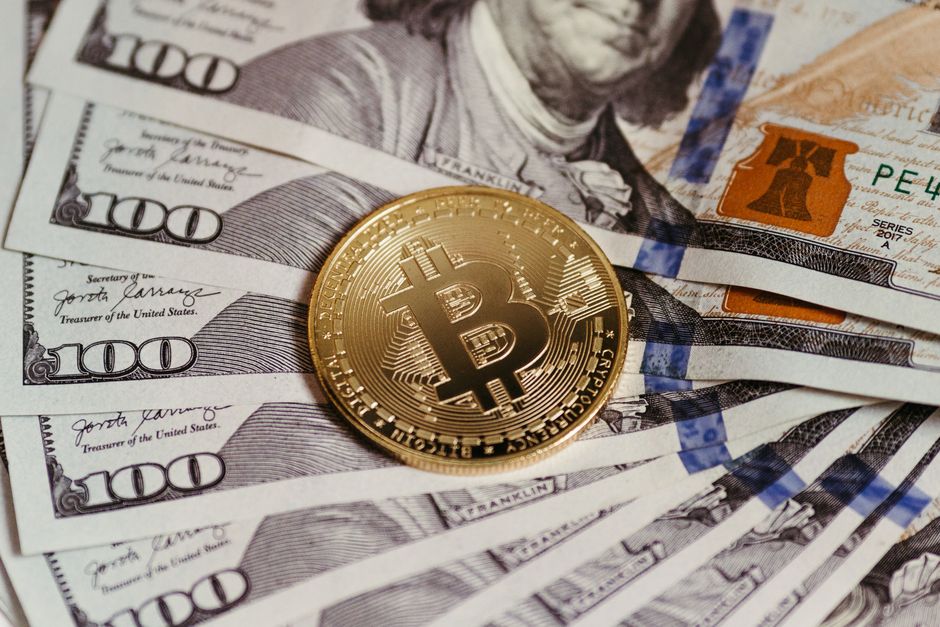
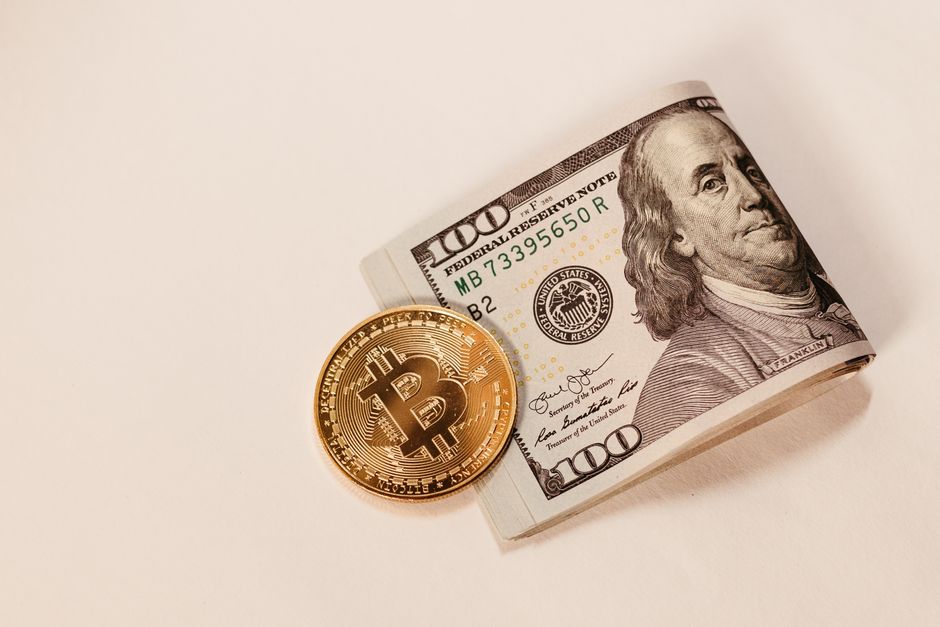
Bitcoin's 6.66 percent single-day jump to $62,456 is worth noting for a specific reason relevant to Caracas. Digital asset adoption in Venezuela has been among the highest in Latin America, driven by the need to hedge bolivar volatility and access international transactions. Friday's rally will provide short-term relief to holders of cryptocurrency in the city, though the asset class remains volatile enough that any budget planning built around it remains precarious. A coin trading at $62,456 today is not a stable planning assumption for household expenses next quarter.
The structural headwinds are not confined to oil prices. The global push toward artificial intelligence infrastructure, visible in the Nasdaq's outperformance, is concentrating capital in a narrow band of technology stocks and pulling investment away from commodities-heavy emerging markets. Venezuela's equity listings, limited as public market access remains, have not benefited from the same AI-driven capital rotation that has propelled US large-cap indices to record territory. Caracas-based fund managers with international mandates have increasingly found it difficult to capture that rally without significant exposure to US technology names, which carry currency and regulatory risks of their own.
Pension and savings vehicles face a specific challenge this year. The combination of high global equity valuations, near $7,500 on the S&P 500, and the gold surge suggests professional money managers globally are hedging aggressively. That posture implies expectations of either a correction in equities or a significant macro shock, possibly both. For any Caracas institution holding a balanced portfolio of international assets, the cost of rebalancing has risen sharply. Gold at $4,187 is expensive to add. US equities at current levels carry valuation risk that conservative mandates cannot comfortably absorb.
Budget planning for the remainder of 2026 demands a conservative baseline. Oil at or below $70 per barrel, a dollar that continues to soften against major currencies, and gold at historic highs are not a recipe for easy fiscal arithmetic. Households carrying variable-rate obligations or dollar-linked costs should avoid assuming that the equity rally in New York translates into local prosperity. The S&P 500 at 7,483 reflects conditions in an economy with deep capital markets, reserve currency status and a monetary authority with full conventional tools at its disposal. Caracas operates under a different set of constraints entirely, and Friday's global snapshot, for all its surface optimism, underscores how wide that gap remains.