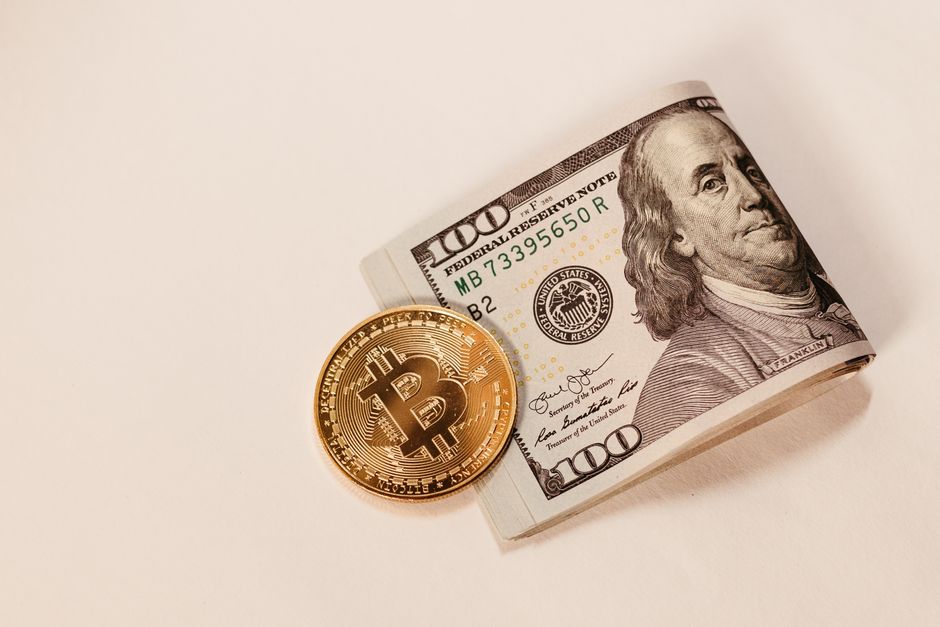
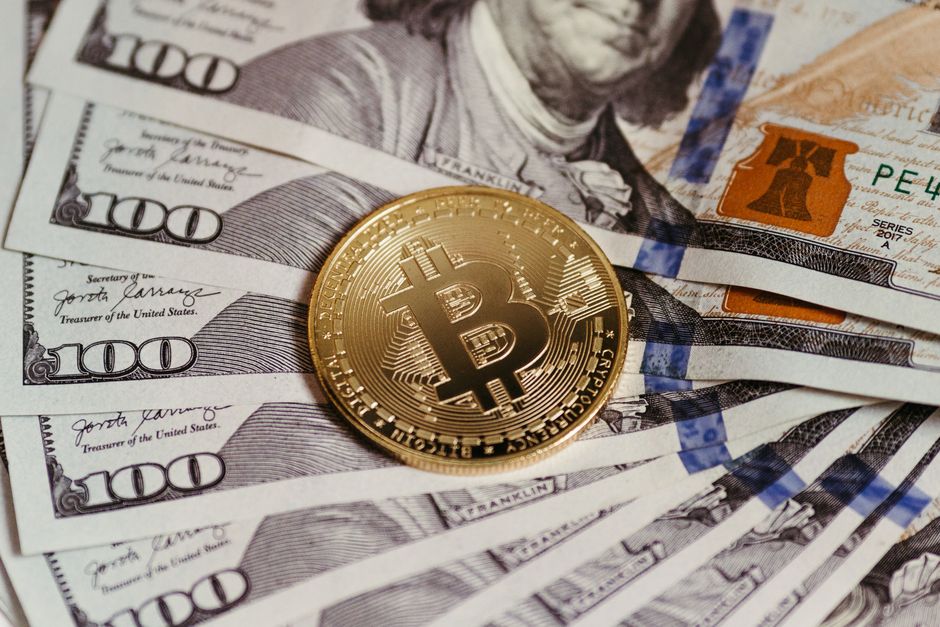
Gold has not sat at $4,187 an ounce before. The S&P 500 has not closed above 7,400 before. Both happened Friday, simultaneously, which is the kind of market condition that veteran pension managers call a "dual tailwind" and ordinary savers in Caracas, managing whatever retirement capital they have scraped together in bolivars or dollar-denominated instruments, tend to miss entirely. They should not miss this one.
The S&P 500 gained 1.71 percent on the session to settle at 7,483, while the Nasdaq Composite added 1.87 percent to reach 25,833. Gold's single-day move of 4.10 percent is extraordinary on its own; a commodity traditionally priced for stability rocketing higher while equities also rally signals something specific: the dollar is losing ground. The EUR/USD rate moved to 1.1440, up 0.47 percent, confirming broad greenback weakness. For any Caracas investor holding savings in U.S. dollar-denominated assets, that combination carries real implications for purchasing power and portfolio construction.
Who Is Already Capturing the Gains
The investors benefiting most right now are those who positioned earlier in 2026 across three categories: physical gold or gold-linked instruments, large-cap U.S. technology equities, and Bitcoin. Bitcoin jumped 6.66 percent Friday to $62,456, extending a recovery that has been building since the second quarter. A saver in Caracas who allocated even a modest slice, say 10 to 15 percent of a retirement portfolio, toward any of these assets through one of the licensed international brokerage platforms now accessible to Venezuelan residents is sitting on returns that dwarf anything available through local bolivar-denominated deposits.
The oil signal, however, deserves equal attention. WTI crude fell 2.78 percent to $68.78 per barrel. Venezuela's state finances remain heavily tied to petroleum revenue, which means a sustained crude downturn pressures the government's ability to support social spending and public-sector pension commitments. That is not a new vulnerability, but it is a live one. Private savers who have assumed that formal state pension arrangements will serve as a meaningful retirement floor are working from an increasingly optimistic assumption. The crude slide on Friday alone shaved nearly $2 off the barrel price; sustained pressure at these levels tightens fiscal room quickly.
The practical implication for a Caracas professional in their 40s trying to build a retirement cushion is not complicated, even if execution requires care. The first step is currency diversification away from bolivar savings into hard-currency instruments, whether that is dollar-denominated sovereign bonds from investment-grade issuers, shares in S&P 500 index funds accessible through international platforms, or a measured allocation to gold through exchange-traded products listed on the New York Stock Exchange. The second step is recognising that the current equity rally, while genuine, is not guaranteed to persist. Valuations on the Nasdaq at 25,833 reflect significant optimism about artificial intelligence-driven corporate earnings. That optimism could reprice.
Building a Structure That Survives a Reversal
Financial planners who work with clients in high-inflation, currency-volatile economies consistently advocate a barbell approach to retirement savings. On one end, hard assets with intrinsic value and no counterparty risk: gold, in particular, at a moment when central banks globally have been net buyers for several consecutive years, fits this role precisely. On the other end, diversified equity exposure to sectors with genuine earnings growth, primarily U.S. technology and healthcare, accessed through low-cost index vehicles rather than single-stock bets.
Bitcoin occupies a distinct category. Friday's 6.66 percent gain is exciting, but the asset routinely moves 20 to 30 percent in either direction across a quarter. For a Caracas investor who cannot afford to see a retirement account fall by a third, a position in Bitcoin larger than 5 percent of total savings carries risk that outweighs the upside at current prices. That said, zero allocation ignores a genuine diversification benefit in a currency environment as distorted as Venezuela's.
The dollar's softness, confirmed by the EUR/USD move to 1.1440, adds one further consideration. Venezuelans who hold savings in U.S. dollars as a haven from bolivar inflation should not assume the dollar is a risk-free position. The dollar weakens when global investors rotate toward other assets, and that rotation is visible in Friday's numbers. Spreading exposure across dollar assets, euro-area instruments and gold hedges that dynamic without requiring a sophisticated trading infrastructure. What it does require is starting. The market opened its window on Friday. It will not stay open indefinitely.