Property
How Much Rent Is Too Much? The 30% Rule in Practice for Caracas Tenants
With rents rising in El Rosal and beyond, The Daily Caracas breaks down what the 30% affordability rule really means for local residents.
3 min read
Updated 35 min ago
Property
With rents rising in El Rosal and beyond, The Daily Caracas breaks down what the 30% affordability rule really means for local residents.
3 min read
Updated 35 min ago
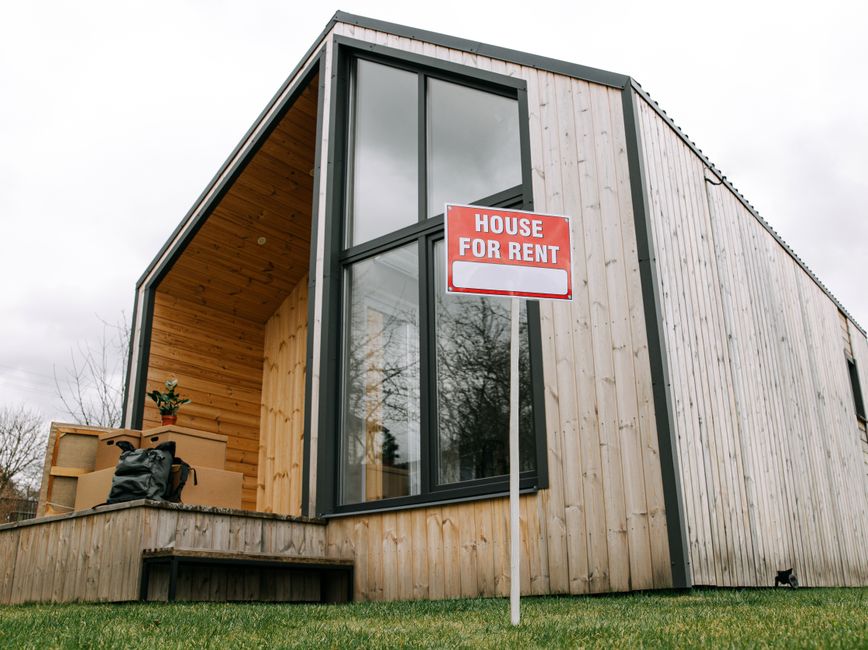
For tenants across Caracas, limiting rent to 30% of household income is fast becoming more a fantasy than a rule. According to data from the Venezuelan Real Estate Chamber, average monthly rents for a two-bedroom apartment in prominent neighbourhoods like El Rosal have climbed above $300 in June 2026, outpacing stagnant local salaries and raising renewed questions about affordability standards in the city.
It matters because wages have barely budged against the sustained aftershocks from last month’s earthquake and ongoing economic volatility. On top of that, July's spike in food prices, up 9% since May according to local grocery cooperative Mercal, means a growing portion of paycheques is going toward basic survival rather than shelter. Financial advisers in Caracas say the old guideline that housing costs should not exceed 30% of pre-tax income is now under unprecedented pressure.
In practice, the impact varies sharply between districts. In Petare, where the National Housing Mission (Gran Misión Vivienda Venezuela) manages thousands of units, an average teacher earning $120 per month will struggle to find anything below $40 monthly, which already absorbs 33% of income before utility payments. Meanwhile, in mid-market areas like Chacao, rents for modern one-bedrooms average over $250. Alejandra Godoy, manager at Inmobilia Caracas, says most clients looking for apartments along Avenida Francisco de Miranda are single professionals earning around $500 a month in formal work. "For those, the 30% rule means no more than $150 on rent, an almost impossible target unless sharing," she says.
In practical terms, this means shared apartments are surging in demand. Co-living spaces and room-share arrangements on platforms like TuAlquilo.ve are cropping up across urbanisations such as Los Palos Grandes, as young renters adjust expectations and sacrifice privacy.
City-wide, the numbers bear out the squeeze. The Central University of Venezuela’s Urban Studies group found that by June 2026, 58% of renters in Greater Caracas spent more than 35% of their total income on housing. In Libertador municipality, tenants on the minimum wage (officially 130 bolívares, less than $20 US/month at the black market rate) are effectively priced out, while those lucky enough to receive remittances from overseas relatives can barely keep costs at the conventional threshold.
This crunch is reflected in the rising number of overdue rent cases that the Real Estate Chamber tracks: over 2,000 formal complaints were lodged in the first half of 2026, 30% higher than the same period last year. Gran Misión Vivienda Venezuela’s waiting list now stretches to more than 81,000 applications in Caracas alone.
What’s next for tenants trying to keep a roof overhead? Property managers advise never signing a lease that demands more than a third of reliable, recurring income, and to factor in hidden costs like condo maintenance and inflation-indexed adjustments. Tenant advocacy groups such as Frente en Defensa del Inquilino recommend negotiating fixed rent terms and seeking out properties with capped service charges, particularly in less central barrios where competition is lower. Above all, experts warn, calculate not just the rent, but the total monthly burden: utilities, transport, food, and always make sure there’s enough left for unexpected emergencies. For now, in Caracas, the 30% rule is an ideal few can reach without a second job or some family support from abroad.
Property
Property
Property
Property
About this article
Published by The Daily Caracas
Spread the word
Daily brief
Free, in your inbox before 7am. Weekdays.