Property
What Caracas Renters Can Do When Leases End with Few Apartments Available
With rising prices and a shrinking pool of rentals, tenants face tough decisions as contracts expire.
3 min read
Updated 2 h ago
Property
With rising prices and a shrinking pool of rentals, tenants face tough decisions as contracts expire.
3 min read
Updated 2 h ago
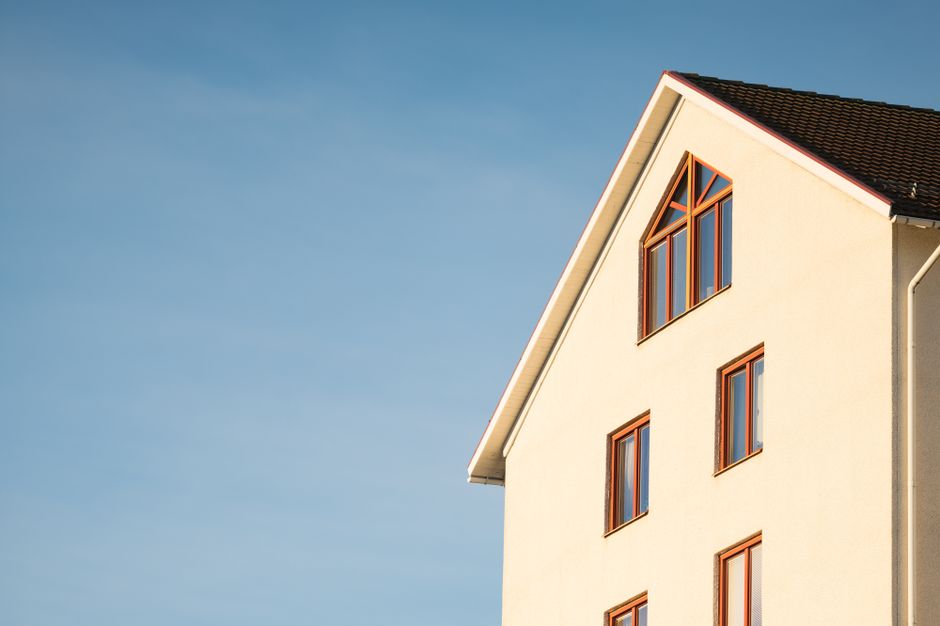
For thousands of Caracas renters, July marks crunch time. Dozens of lease agreements are expiring in popular pockets like Las Mercedes and El Rosal, but available apartments are dwindling fast, leaving tenants scrambling for options as rents surge citywide.
The timing could hardly be worse. The past year saw a sharp rise in new investor buyers—local and foreign—driven by currency stabilization and an uptick in commercial activity in the capital. Property owners are now increasingly reluctant to renew leases, hoping to sell units or reset rents far above last year’s rates. The squeeze creates a perfect storm for those looking to stay put or simply secure a new home within city limits.
On the ground, the problem is acute in districts like Chacao and Altamira, home to some of the most competitive housing spots. According to data tracked by Inmuebles24 Venezuela, the rental vacancy rate in east Caracas has dropped below 3% for the first time since 2020. Meanwhile, agencies such as Grupo Imuebles Caracas confirm a marked uptick in landlords refusing to renew under old terms. “Many are getting offers to sell for dollars and don’t want to commit to long-term tenants,” an agency manager said privately.
The few listings that remain get snapped up almost instantly. In Los Palos Grandes, two-bedroom apartments that rented for $400 per month just two years ago are now advertised for $700, with most requiring at least six months’ advance payment and a hefty deposit. The surge has even affected traditionally more affordable zones like La Candelaria, where studios now rarely go below $300 per month—up more than 40% since late 2024.
According to the Caracas Chamber of Real Estate, the number of available rental units across the Caracas metropolitan area has fallen by 37% year-on-year as of June 2026. Rising dollarization and inflation—despite a 12% annual rise in average earnings—mean the growth in rent prices far outpaces wage increases. Observers point to the lure of quicker returns from short-term rentals and sales as fueling the exodus of long-term lease options from the market.
Some institutional support does exist. The Programa de Garantía Habitacional, backed by the Alcaldía de Libertador, offers deposit guarantees for qualifying tenants, but the waiting list is long, and acceptance isn’t assured. Still, the scheme has helped more than 700 families since early 2025, concentrated in areas like El Paraíso and San Bernardino.
So, what can renters actually do in this climate? Experts recommend starting lease renewal negotiations at least three months in advance, offering to sign longer contracts or propose rent increases that still sit below the latest open-market levels. For those unable to renew at all, searching beyond central axes—into Catia, La Urbina, or even Guarenas—may yield less expensive and less competitive options. Co-living arrangements or splitting larger flats with friends are on the rise, according to brokers in Sabana Grande.
Finally, vigilance is essential. With scams on the rise, renters should verify property titles via the Registro Subalterno offices in Chacao or Libertador before paying deposits. Many agencies urge dealing only through registered inmobiliarias, regardless of how tight the timeline is. For those whose leases are ending, flexibility and rapid decision-making may be the only way to land a new address in a fast-changing Caracas.
Property
Property
Property
Property
About this article
Published by The Daily Caracas
Spread the word
Daily brief
Free, in your inbox before 7am. Weekdays.