Wellness
The Best Wind-Down Routines Backed by Sleep Science
Researchers say most adults are getting the pre-bed hour dangerously wrong — and Caracas's growing wellness scene has some answers.
4 min read
Updated 17 min ago
Wellness
Researchers say most adults are getting the pre-bed hour dangerously wrong — and Caracas's growing wellness scene has some answers.
4 min read
Updated 17 min ago
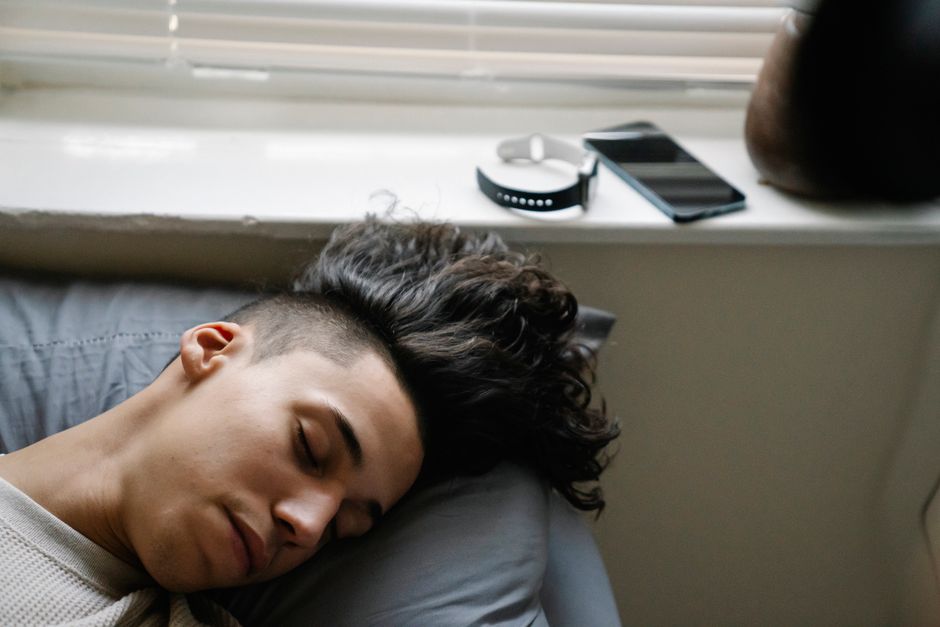
Most people in Caracas are falling asleep the wrong way. Sleep researchers at institutions including the Universidad Central de Venezuela have been quietly flagging the same pattern for several years: the average caraqueño spends fewer than 12 minutes on any deliberate wind-down routine before bed, well below the 45-to-60-minute buffer that sleep scientists consider the minimum for quality slow-wave sleep. The result shows up every morning in chronic fatigue, mood dysregulation, and rising reliance on stimulants to get through the day.
This matters right now because the city's wellness sector is responding to growing demand. Between January and June 2026, at least four new studios and health centres opened in Las Mercedes and El Rosal alone, most of them offering some combination of breathwork, guided meditation, or restorative yoga aimed squarely at the pre-sleep window. That momentum reflects something real: people are tired, and they know it.
The science behind the wind-down is not complicated. When the body receives consistent cues — lowered light exposure, a drop in core temperature, reduced cognitive stimulation — the pineal gland ramps up melatonin production roughly 90 minutes before the desired sleep time. The problem is that most evening habits actively block that cascade. Bright phone screens emit blue light at wavelengths around 480 nanometres, which suppresses melatonin by as much as 50 percent, according to research published in the Journal of Clinical Endocrinology & Metabolism. A single hour of scrolling, in other words, can push effective sleep onset back by 90 minutes or more.
Sleep specialists recommend starting the process at least one hour before bed. The first step is lighting. Switching from overhead LEDs to warm-spectrum lamps — anything below 3,000 Kelvin — signals the brain that the day is closing. Centro Naturista El Ávila, on Avenida Francisco de Miranda in Chacao, stocks a range of amber-tinted bulbs and salt lamps that have been moving steadily since the store expanded its wellness section in March 2026. The shop also carries magnesium glycinate supplements, which some sleep researchers link to improved sleep latency at doses of 200 to 400 milligrams taken roughly 30 minutes before bed.
The second element is body temperature. A warm shower or bath 60 to 90 minutes before sleep triggers a paradoxical drop in core temperature as the body compensates — and that drop is one of the primary physiological signals for sleep onset. The third is cognitive offloading. Journaling for five to ten minutes, writing out the following day's tasks on paper, or simply listing three things that went well reduces the ruminative mental activity that keeps the prefrontal cortex active long after the lights go out.
Caracas has several spaces building programmes around exactly this sequence. Espacio Raíz in Altamira runs a weekly 75-minute Yoga Nidra session on Thursdays at 7:30 p.m., priced at Bs. 15 per class, designed to move participants through progressive muscle relaxation and body-scan techniques that mirror the hypnagogic state just before natural sleep. Studio Silencio, operating out of a converted apartment on Calle Villaflor in Sabana Grande, launched a six-week sleep hygiene course in May 2026 that pairs breathwork — specifically 4-7-8 breathing and box breathing — with habit-tracking worksheets participants keep for the full programme duration.
Consistency matters more than perfection. Research published in Sleep Medicine Reviews in 2024 found that participants who maintained a wind-down routine on at least five nights per week reported a 34 percent improvement in sleep quality scores after eight weeks, compared with a 9 percent improvement in a control group that made no changes. The routine itself was less important than the regularity.
Cutting caffeine by 2 p.m. is another non-negotiable. Caffeine has a half-life of roughly five to six hours in most adults, which means a 4 p.m. espresso from a café along Avenida Libertador is still partly active in the bloodstream at 10 p.m. Alcohol is similarly deceptive: it may accelerate sleep onset but fragments the second half of the night, gutting REM sleep when emotional memory processing occurs.
For anyone in Caracas looking to start, the barrier is low. Dim one light source tonight, put the phone face-down 60 minutes before bed, and write three sentences in a notebook. Sleep scientists call it stimulus control therapy. Most people just call it a quieter night. If concerns about sleep disorders or hormonal disruption persist, a conversation with a local médico internista or sleep specialist at one of Caracas's private clínicas is the right next step.

Wellness

Wellness

Wellness

Wellness
About this article
Published by The Daily Caracas
Spread the word
Daily brief
Free, in your inbox before 7am. Weekdays.
The Daily Network — local news across Australia