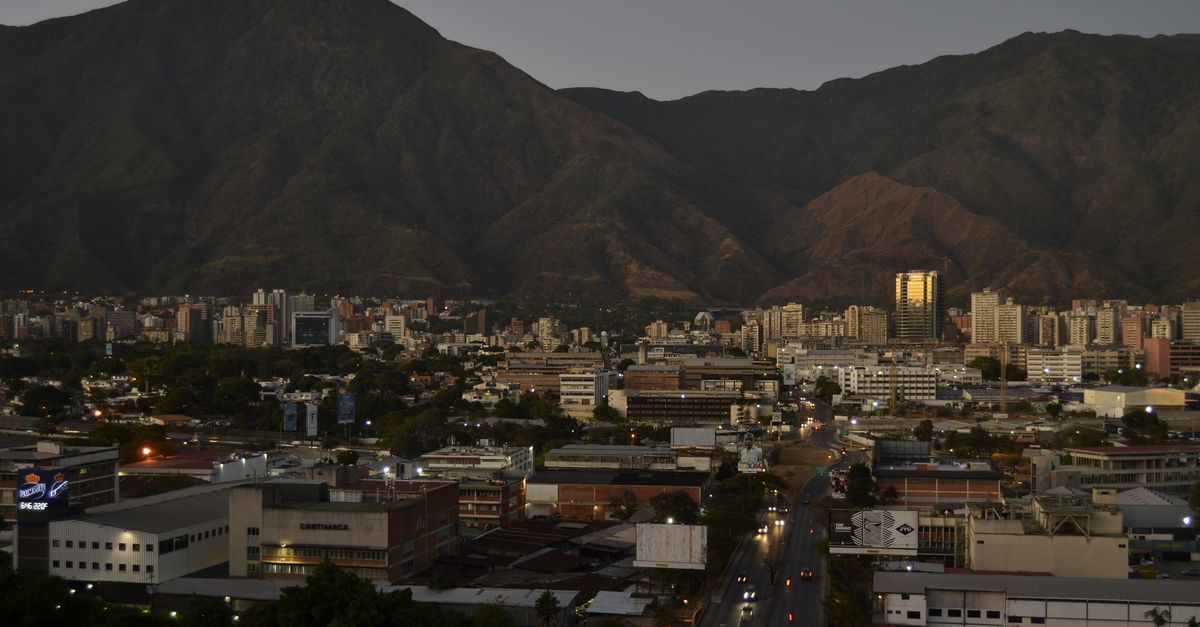
July is one of the strongest months for fresh produce in the Venezuelan capital. The mid-year rainy season, which typically intensifies across the Cordillera de la Costa through June and July, pushes a reliable flush of vegetables, tropical fruits, and herbs into the city's street markets and weekend ferias — and right now, prices are reflecting that abundance. At the Mercado de Chacao, on Avenida Francisco de Miranda in the heart of eastern Caracas, vendors reported this week that a kilogram of locally grown tomatoes was moving at roughly 8 to 12 bolívares, down from near 18 in April's dry-season peak.
That gap matters to families already managing tight household budgets. Venezuela's urban food landscape has changed substantially over the past three years, with a growing number of organised weekend markets filling the space between expensive supermarket chains and informal buhonero stalls. For health-conscious residents, these markets offer something specific: traceability, seasonal rotation, and direct conversation with the people who grew the food. Nutritionists practising in Altamira and Chacao have been increasingly pointing clients toward these spaces as a practical strategy for eating well without overspending on imported goods.
Where to Go: The Markets Worth Your Saturday Morning
The Mercado de Chacao, operating Tuesday through Sunday from 6 a.m. on Calle Páez, remains the city's most reliable anchor for fresh produce. It draws growers from the valleys of Aragua and Miranda states, and in July the stalls lean heavily into seasonal abundance: lechosa (papaya), aguacate from the highlands above Colonia Tovar, yuca, batata, and multiple varieties of ají. Look specifically for the purple-skinned ají caballero — vendors near the eastern entrance typically have it in bulk this time of year, and its antioxidant profile has made it a particular favourite among the market's more nutrition-focused buyers.
Fifteen kilometres to the southeast, the weekend Feria Orgánica de El Hatillo operates every Saturday from 7 a.m. in the Plaza Bolívar of El Hatillo municipality. It draws a smaller, curated roster of roughly 30 vendors, several of whom participate in the Red de Agroecología de Venezuela, a national network of small-scale growers practising chemical-free cultivation. The feria's footprint has grown — it ran with about 18 vendors when it launched in 2023 — and the product range now includes hydroponic lettuce from a collective based near Santa Lucía, fermented foods, and cold-pressed juices. Prices here run about 15 to 20 percent higher than Chacao, but the provenance documentation is more consistent.
The Mercado Las Pulgas in Petare, on the eastern edge of the city, is less frequently mentioned in wellness circles but deserves attention for sheer variety and low price points. It is not an organic market by any definition, but it is a working-class institution with generational vendor relationships and a produce section that in July is stacked with seasonal tropical fruit: mamón, merey, and early guanábana from the eastern states. A full bag of mamón — roughly 1.5 kilograms — was trading at around 5 bolívares this week.
What to Buy Right Now, and Why
Seasonality in Caracas's food supply is more pronounced than many urban residents realise. July specifically favours root vegetables and tropical fruits over the leafy greens and peppers that dominate the dry season. Nutritionists associated with the Centro Médico Docente La Trinidad recommend building July meal planning around yuca, auyama (a local squash variety), plátano verde, and papaya — foods that are calorically dense, high in fibre, and priced at their annual lows this month.
Auyama, in particular, is worth prioritising. Rich in beta-carotene and vitamin C, it costs about 6 bolívares per kilogram at Chacao right now and holds well in a cool corner of a Caracas apartment for up to two weeks — no refrigeration required, which matters in neighbourhoods with irregular power supply.
The practical advice is straightforward: arrive at any of these markets before 8 a.m. for the best selection, bring cash in small denominations, and ask vendors directly which items arrived that morning versus the day before. Anyone managing a specific health condition or dietary need should consult a local physician or registered dietitian before making significant changes to their eating habits based on market availability. The food is good. The guidance on what it means for your body should come from a professional who knows your history.
This article was compiled by AI and screened before publishing. See our editorial standards.