Wellness
How to Start a Walking Group in Your Neighbourhood
Caraqueños are rediscovering their city on foot — and a few simple steps can turn a solo habit into a community movement.
4 min read
Updated 2 h ago
Wellness
Caraqueños are rediscovering their city on foot — and a few simple steps can turn a solo habit into a community movement.
4 min read
Updated 2 h ago
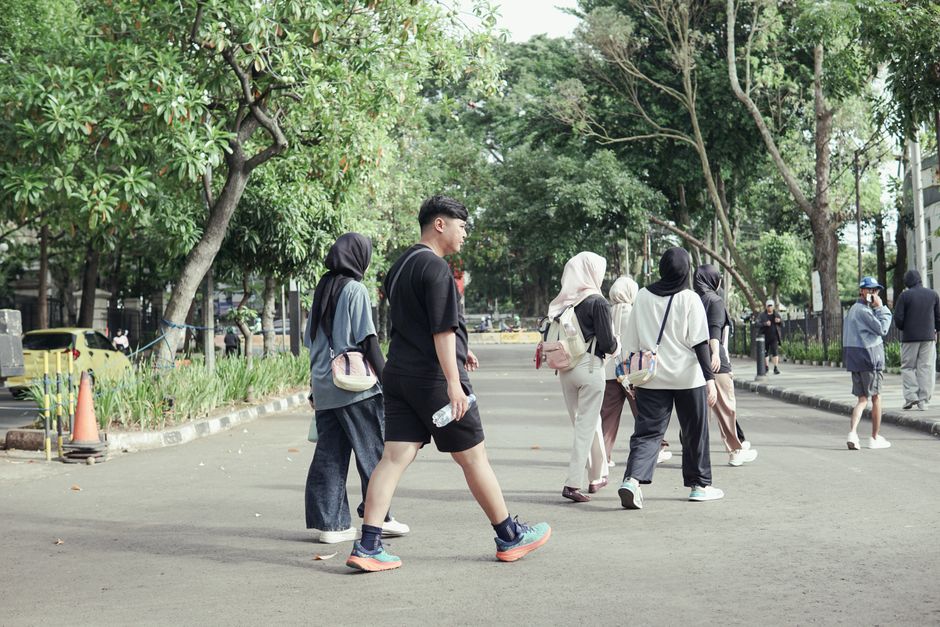
Parque del Este logged more than 3,000 registered recreational walkers last month. The number matters because organisers at the Fundación Caracas Verde, the nonprofit that manages community programming in the eastern corridor, say that figure represents a 40 percent increase from the same period in 2024. The reason, they say, is simple: people are forming groups.
Group exercise has always had roots in Venezuelan urban culture — pickup football on the concrete courts of Catia, aerobics classes at the YMCA on Avenida Libertador — but structured neighbourhood walking groups are newer, cheaper and, crucially, require zero equipment. In a city where gym memberships at mid-range facilities like BodyTech in Las Mercedes run between Bs. 150 and Bs. 220 per month, a walking group costs nothing except a pair of decent shoes and someone willing to send a WhatsApp message.
The most active walking corridors in the city right now are the perimeter path inside Parque del Este in Petare's border zone, the shaded tree-lined stretch along Calle Los Samanes in Bello Monte, and the weekend pedestrian circuit around Plaza Venezuela. Each of those locations already draws informal clusters of walkers between 6 a.m. and 8 a.m. on weekdays. The difference between a casual coincidence of strangers and an actual group is organisation — specifically, a named time, a fixed meeting point, and at least one person who takes responsibility for showing up first.
The Caracas chapter of Muévete Venezuela, a national physical activity initiative launched by the Ministry of Popular Power for Health in March 2025, has been running a neighbourhood walking program called Camina Caracas since April of last year. The program trains volunteer walk leaders in basic route-planning and safety protocols over a single four-hour Saturday session held at the Poliedro de Caracas. Participants who complete the training receive a liability waiver template and a printed route guide covering 14 city neighbourhoods from Chacao to Los Palos Grandes. Registration is free and the next intake opens September 2026.
Starting from scratch is less complicated than it sounds. The first decision is frequency. Three times a week at a consistent hour — 6:30 a.m. works well in Caracas because the heat hasn't arrived and weekend traffic hasn't clogged Avenida Francisco de Miranda — creates enough rhythm that participants plan around it. Once a week tends to produce groups that dissolve inside two months.
Recruit through what's already there. Neighbourhood WhatsApp groups in urbanizaciones like Altamira and La Castellana often have several hundred members. A single message announcing a walk from the fountain at Plaza Altamira toward the Paseo Los Próceres, starting the following Saturday at 6:30 a.m., is enough to draw a first group. Expect eight to twelve people for the inaugural outing; five to seven will return. That core is your group.
Keep the first four weeks short. Three kilometres is a manageable circuit for mixed fitness levels and can be completed in under 45 minutes along the flat stretches between Chacaíto and Los Cortijos. Introduce longer routes — the 6-kilometre loop through El Cafetal, for instance — only after the group has established trust and a baseline pace together.
Safety on Caracas streets is a real concern. Walk in daylight, keep the group together through busier intersections, and choose routes with pavement continuity. Muévete Venezuela's Camina Caracas guides specifically map which blocks have consistent sidewalks and which require single-file walking on the roadside shoulder. Using those maps saves new leaders significant planning time.
A world health evidence base supports what Caraqueños are already discovering. The World Health Organisation's 2022 global physical activity guidelines found that 150 minutes of moderate activity per week — achievable through five 30-minute group walks — reduces the risk of cardiovascular disease by roughly 35 percent. The social dimension adds its own benefit: group exercise participants in multiple urban studies show significantly lower dropout rates than solo exercisers after the six-month mark.
Anyone interested in the September Camina Caracas intake can register through Muévete Venezuela's portal or visit their satellite office on Avenida Principal de Los Ruices. The shoes, as always, are your problem to sort out.

Wellness

Wellness
Wellness

Wellness
About this article
Published by The Daily Caracas
Spread the word
Daily brief
Free, in your inbox before 7am. Weekdays.