Stress in Caracas is not abstract. It shows up in the body — tight shoulders on the Autopista Francisco Fajardo during peak traffic, shallow breathing in a queue at a Chacao pharmacy, the low-grade dread that settles in after checking the exchange rate for the third time before noon. A 2024 report by the Pan American Health Organization found that nearly 58 percent of adults in Latin American urban centres reported experiencing chronic stress symptoms at least four days a week — a figure that clinicians working in Caracas say tracks closely with what they see at community health posts across the city.
The good news is that the evidence base for stress reduction has expanded considerably over the past decade, and several techniques now have robust clinical backing. None of them requires expensive equipment or a gym membership. What they require is consistency.
What the Science Actually Supports
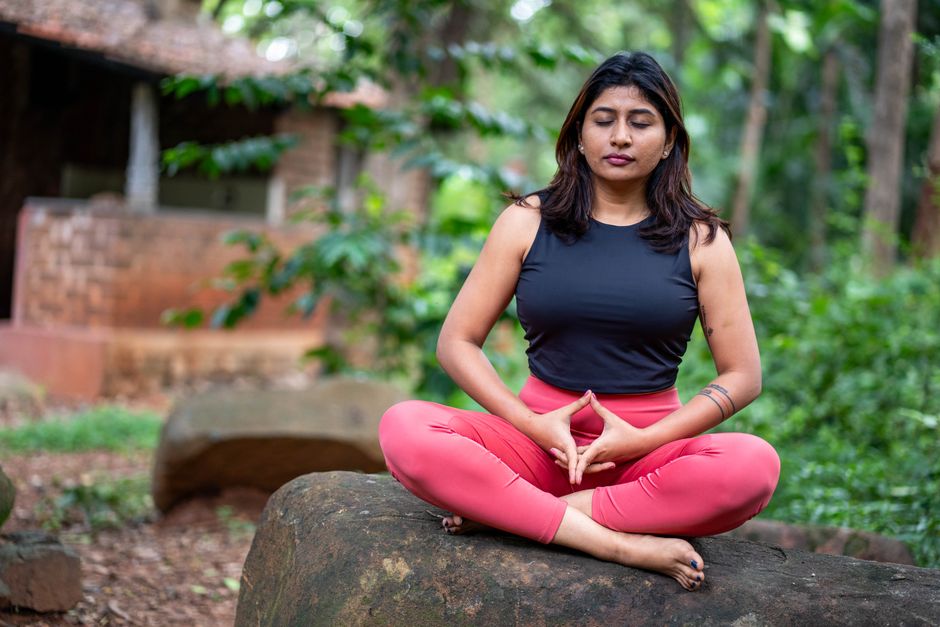
The first technique is diaphragmatic breathing, sometimes called box breathing, which involves inhaling for four counts, holding for four, exhaling for four, and holding again. A 2023 meta-analysis published in Frontiers in Psychology covering 43 randomised controlled trials found that structured slow breathing reduced cortisol levels measurably within eight minutes of practice. The Centro de Bienestar Integral in Las Mercedes offers free guided sessions every Tuesday morning at 7 a.m. on their terrace — a practical entry point for anyone uncertain how to start.
Second: deliberate physical movement, specifically 20 to 30 minutes of moderate aerobic exercise three times a week. The mechanism is well understood — exercise accelerates the clearance of cortisol and adrenaline while triggering endorphin release. The Parque del Este, formally named Parque Generalísimo Francisco de Miranda, in Petare Norte, draws hundreds of walkers before 7 a.m. daily, offering a free, socially reinforcing environment that researchers note is itself an independent stress buffer.
Third is progressive muscle relaxation, a technique developed by physician Edmund Jacobson in the 1920s that has since accumulated decades of clinical evidence. The method involves systematically tensing and releasing muscle groups over about 15 minutes. The Asociación Venezolana de Psicología Clínica runs a downloadable guided audio program in Spanish, updated in 2025, that practitioners across Caracas's Libertador municipality have begun recommending to patients.
Fourth: limiting news and social media consumption to defined windows. A Stanford University study from 2022 tracked participants who capped their smartphone news intake at 30 minutes per day and found a 27 percent reduction in self-reported anxiety over four weeks. Given Caracas's information environment — where economic and political news arrives in dense, unpredictable bursts — this boundary has particular practical relevance. Setting a hard stop at 8 p.m. is the threshold most commonly recommended by therapists in the Altamira and Chacao districts.
Fifth is social connection — not scrolling, but actual conversation. A Harvard Medical School longitudinal study tracking participants over 80 years identified the quality of close relationships as the single strongest predictor of stress resilience and long-term health. In El Hatillo municipality, the Fundación Caracas Mi Hogar runs weekly neighbourhood conversation circles, free and open to the public, that have been running since 2021. Attendance has doubled since January 2026, according to the organisation's own published figures.
Making It Stick in a City Like This
The evidence consistently shows that the biggest predictor of whether any technique works is not its sophistication but its regularity. Five minutes of box breathing every morning beats an occasional hour-long wellness retreat. Stacking a new habit onto an existing one — breathing exercises after the first coffee, a 25-minute walk in Parque del Este three mornings a week — dramatically improves adherence, according to behavioural science research from University College London published in 2023.
Cost is a real factor here. Therapy in Caracas ranges from roughly 15 to 60 dollars per session at private clinics in Bello Campo, which puts consistent professional support out of reach for many residents. The techniques above cost nothing to try. They are a starting point, not a substitute for clinical care. Anyone experiencing persistent anxiety, insomnia or symptoms that interfere with daily functioning should consult a licensed psychologist or psychiatrist — the Venezuelan Society of Psychiatry maintains a public directory of registered practitioners updated quarterly at svp.org.ve.
The science is clear enough. The harder part, as always, is showing up for it tomorrow.