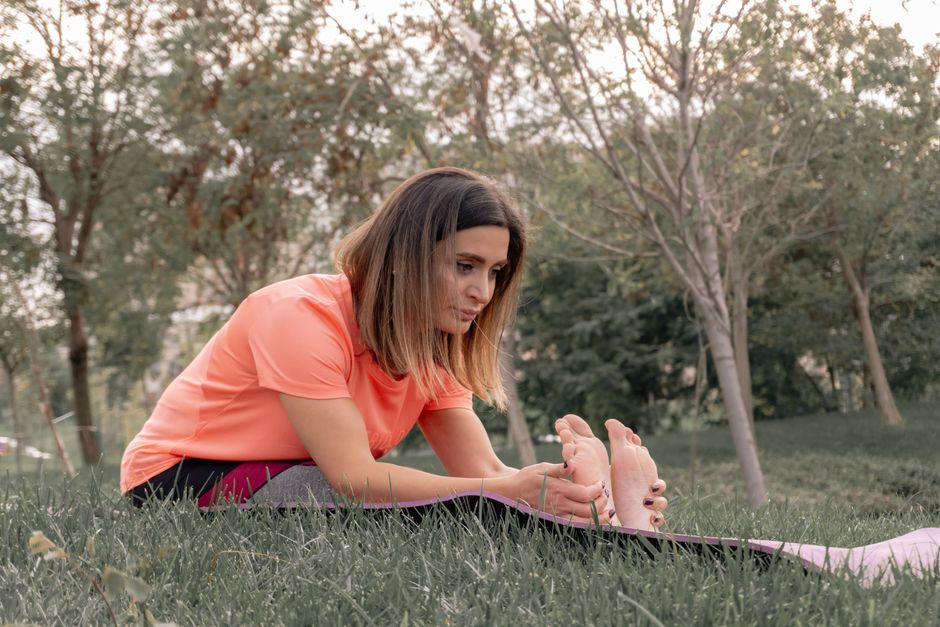
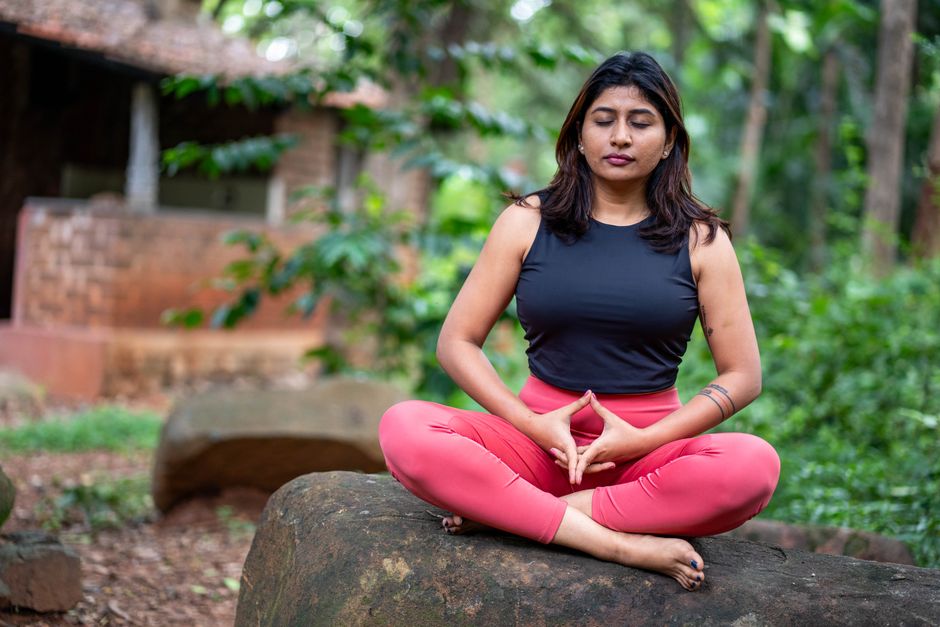
The numbers are hard to ignore. On any given Saturday morning before 7 a.m., Parque del Este — formally Parque Rómulo Betancourt, in Chacao municipality — draws upward of a dozen separate training groups to its looping main path. Six months ago, regulars counted three. The outdoor boot camp has arrived in Caracas, and it is not leaving quietly.
The shift matters because it represents something genuinely new in the city's fitness culture. Caracas has long had its gyms, its indoor CrossFit boxes, and the informal jogger networks around La Carlota and the Cota Mil highway. What is different now is the structured, instructor-led, group-format session held entirely outdoors — complete with resistance bands, agility ladders, kettlebells hauled from car trunks, and the kind of communal accountability that solo treadmill time cannot replicate. Economic pressure is part of the equation: a monthly membership at a mid-range private gym in Altamira or Las Mercedes now runs between $35 and $60 USD, while many outdoor boot camp programs charge between $8 and $15 per session, with weekly packages available for around $25.
Where the Sessions Are Taking Root
Two operations have emerged as the most visible in the east of the city. FuerteAl Aire, founded in early 2025 by a group of personal trainers based in El Marqués, runs five weekly sessions at Parque Miranda in Los Dos Caminos. The program blends military-style circuit work with mobility training, targeting the after-work crowd that filters in from the Petare and Bello Monte commuter corridors. Sessions cap at 20 participants, and the Thursday evening slot routinely fills within hours of WhatsApp announcements going out.
Across town in El Paraíso, near the western residential blocks along Avenida Páez, a newer collective called Tribu Fit Caracas has been running weekend sessions in the open grounds beside the Estadio Olímpico de la UCV since February 2026. Their model skews younger — most participants are between 22 and 35 — and sessions lean into functional movement rather than pure endurance. They added a Tuesday dawn session in April after demand pushed their waitlist past 40 people.
The appeal cuts across fitness levels. Typical boot camp formats in Caracas last 45 to 60 minutes and cycle through three to five stations: bodyweight exercises like squats and push-ups, plyometric drills, partner resistance work, and a short run component. Instructors generally ask participants to complete a brief health screening form before their first session. Anyone managing cardiovascular conditions, joint injuries, or chronic illness should speak with a physician at a local clínica before signing up — the intensity can escalate quickly and first-timers consistently underestimate the cumulative demand of circuit-format training outdoors in Caracas's humidity, which averages around 80 percent in July.
What to Bring, and What to Expect
Preparation makes the difference between finishing strong and sitting out the last two stations. Experienced participants recommend arriving with at least 750ml of water, wearing light technical fabric, and eating a small meal 90 minutes before the session rather than training fasted — particularly given morning temperatures in the capital that can sit above 24°C even before 7 a.m. in the dry-season months. Non-slip training shoes are essential; Parque del Este's paved sections become slick with dew in the early hours.
Most established programs in the city now maintain active Instagram accounts and WhatsApp broadcast channels where schedules are posted each Monday. Spots at FuerteAl Aire and Tribu Fit Caracas can be reserved through direct message; payment is typically collected in cash or via Pago Móvil at the session itself. Neither group imposes long-term contracts, which is a deliberate choice — flexibility is part of the pitch.
The broader trajectory looks clear. Parque Los Caobos in Bellas Artes, long a quieter space for individual runners, has seen at least two informal boot camp groups begin using its southern lawn area on weekend mornings in recent weeks. The outdoor fitness model is cheap to launch, requires minimal infrastructure, and feeds something real: the desire to train alongside other people, in the open air, with a clear start time and a clear end. For a city with Caracas's energy, that combination has obvious pull.