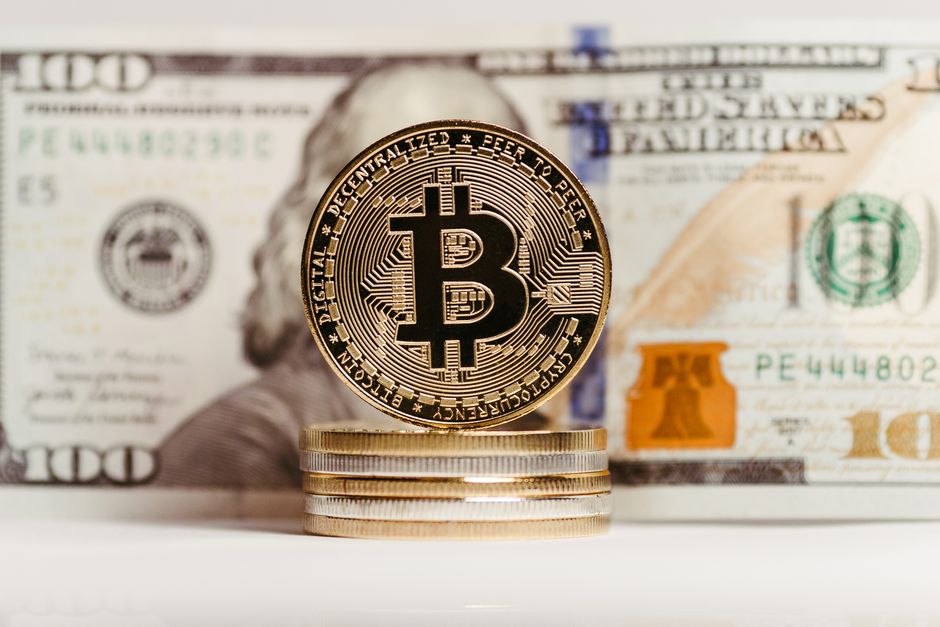
Gold hit $4,187 per troy ounce on Friday, a gain of more than 4 percent in a single session, and Bitcoin cleared $62,456, up nearly 6.7 percent on the day. For most investors watching from New York or London, those numbers represent a flight to stores of value. For Caracas traders trying to preserve purchasing power against chronic bolivar depreciation, they represent something more urgent: a working strategy.
Alejandro Ferreira runs a small but increasingly well-regarded multi-asset desk out of a third-floor office on Avenida Francisco de Miranda in Chacao. He founded Ferreira Capital Advisors in 2022 with four employees and seed capital drawn from a network of local business owners who had grown tired of watching their bolivar-denominated savings erode. Today he manages portfolios for roughly 60 clients, a mix of family offices, small manufacturing firms and a handful of professionals whose remuneration includes dollar-indexed components. His thesis, blunt and unchanged since launch: hold hard assets, short soft currencies, and never let a client sleep long in bolivars.
"We built this desk around the assumption that Venezuelan monetary policy would remain unpredictable and that global commodity cycles would do most of the heavy lifting for us," Ferreira told The Daily Caracas earlier this week. His model portfolios carry allocations to physical gold exposure through instruments cleared in New York, to Bitcoin held in cold storage, and to S&P 500 index-tracking positions accessible through licensed offshore brokers. Friday's tape validated all three legs simultaneously. The S&P 500 closed at 7,483, up 1.71 percent, while the Nasdaq Composite added 1.87 percent to reach 25,833.
The Oil Drag and the Dollar Calculation
Not every line on the screen was green. WTI crude slipped sharply, falling 2.78 percent to $68.78 per barrel, a move that matters disproportionately to Caracas because Venezuela's state finances remain tethered to oil export revenues. A sustained crude decline puts pressure on PDVSA receipts, tightens the government's hard-currency flow, and historically feeds through to parallel exchange rate instability within weeks. Ferreira's desk runs a standing alert for WTI moves greater than 2 percent in either direction precisely because of this transmission mechanism.
The euro strengthened against the dollar on Friday, with EUR/USD reaching 1.1440, a gain of 0.47 percent. For Caracas clients with European supplier relationships or import lines priced in euros, that shift adds a quiet cost. Ferreira flagged the move to clients in a note distributed Thursday evening, recommending they review any open euro-denominated payables before end of quarter. It is the kind of granular, same-timezone service that larger offshore wealth managers rarely provide to Venezuelan retail and small-business clients.
The Bitcoin position is where the desk has drawn the most attention locally. Ferreira started allocating to crypto in 2023, a decision that raised eyebrows among more conservative clients at the time. Friday's 6.66 percent single-session gain, carrying the asset to $62,456, has quieted most of the sceptics. He keeps Bitcoin allocations capped at 10 percent of any portfolio, citing liquidity risk and regulatory uncertainty, but calls it "the most honest hard-currency hedge available to a Venezuelan retail investor who cannot open a U.S. brokerage account directly."
The broader context for Caracas investors is one of compounding complexity. Global equity markets are pricing in resilience, technology earnings have driven the Nasdaq to levels that would have seemed implausible three years ago, and gold's ascent above $4,000 per ounce earlier this year reflected persistent anxiety about sovereign debt and geopolitical friction that has not dissipated. Oil's weakness cuts the other way, compressing one of Venezuela's few dependable sources of foreign exchange. Ferreira's firm sits at that intersection, trying to extract signal from noise that would defeat a less specialised operation.
He is opening a second office, in the Las Mercedes district, before the end of the third quarter. He plans to add two analysts with backgrounds in fixed-income and commodity derivatives. The expansion is modest by any global standard, but in a Caracas advisory market where many wealth managers still operate informally or restrict themselves to real-estate referrals, it represents a meaningful step toward institutional practice. His pitch to prospective clients is simple: in a market where the local currency offers no protection and oil revenues are unreliable, the ability to read a Friday afternoon data tape from New York and translate it into bolivar-denominated risk management is not a luxury. It is the whole job.